
| [layout] [html] [graphics] [navigation] |
| web.design101.layout |
|
Keep vital elements above the fold
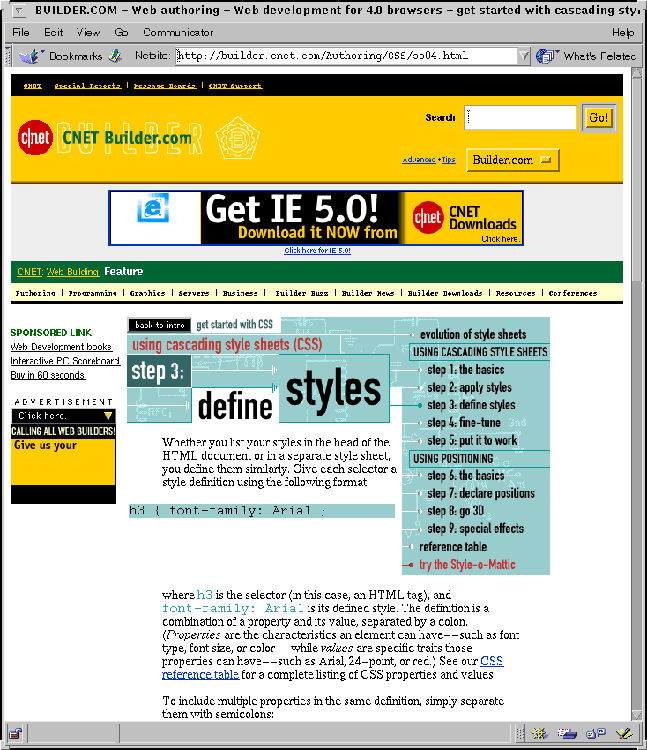
Despite the fact that those C|Net folks are mondo egotists who do nothing but pat themselves on the back all day, they have mastered this tip. Keeping the most important elements "above the fold" is important if you want to keep users coming back to your site. For newspapers, "above the fold" is the top area on the front above where it was folded in half. The same idea applies to web pages: everything above the fold is the stuff the user can see without having to scroll down. Users see this area first, so it's where the most important information should appear. That typically includes:
But don't clutter up the space above the fold with too many graphics. If you want people to read a text message or narrative, no more than half the space should be graphics. Make sure to have some text visible to give people the chance to start reading right away. |
| [layout] [html] [graphics] [navigation] |
|
|
This site was created by Adam Fuller especially for students of the UNC School of Journalism's JOMC 050 Class and anyone else who may be interested. For more information, please contact daikat@email.unc.edu |