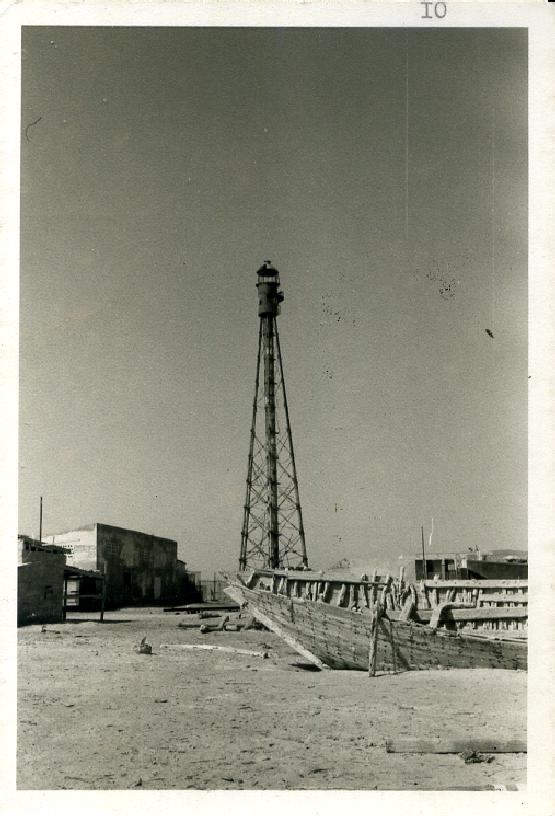
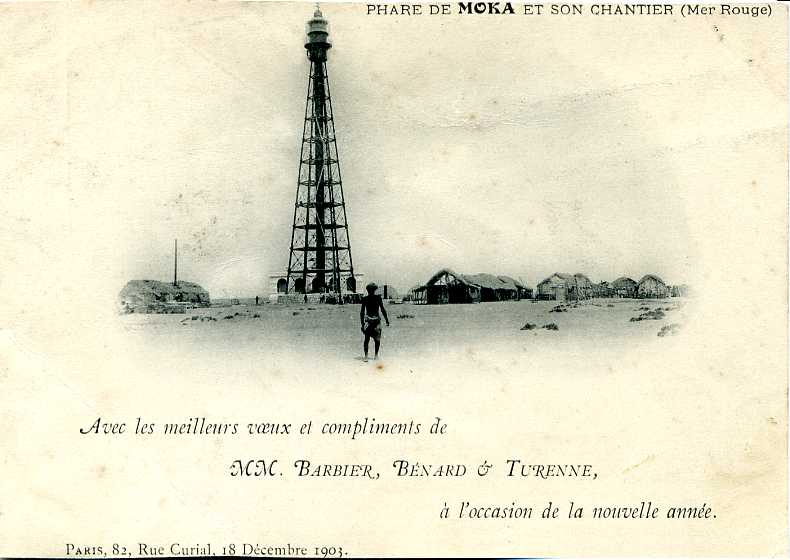
The Republic of Yemen (al Yaman in Arabic), is located in the southwestern corner of the Arabian Peninsula, commanding the junction of the Red Sea and the Gulf of Aden. To help secure this crucial passage Britain colonized the port of Aden in 1839 and gradually expanded its rule to include all of the southern region of the country. The northern part, known in North Yemen, became independent in 1918 following the collapse of the Ottoman Empire in World War I, while South Yemen achieved independence from Britain in 1967. The two halves of Yemen were merged into a single nation in 1990.
Yemen has been torn by civil war intermittantly since 1993 and continuously since 2014. Shifts in control by the various factions are difficult to track. The internationally recognized government is the Presidential Leadership Council (PLC), an 8-member body representing several of the factions struggling for control of the country. In the south the dominant group is the Southern Transitional Council (STC). The STC holds 3 of the 8 seats in the PLC, but it advocates restoring the separation of the country into northern and southern nations. On 2 January 2026 the STC published a provisional constitution for a nation called South Arabia, claiming the same borders as the previous South Yemen. In the north the dominant group is the Supreme Political Council, led by Houthi insurgents backed by Iran. Houthi forces control most of the former North Yemen, but in the southwest forces loyal to Tareq Saleh, Vice-Chairman of the PLC, control most of the Ta'izz Governorate. Forces backed by Saudi Arabia and by the United Arab Emirates fight against the Houthis and sometimes against each other.
Officially Yemen is divided into twenty governorates (muhafazat).
The Arabic word for a lighthouse is mnarh or manara (منارة). Ra's is the word for a cape or headland, jazīrat is an island, and minā is a harbor.
Aids to navigation in Yemen are supposed to be maintained by the Yemen Ports Authority, an expansion of the Port of Aden.
Special thanks to Jürgen Klinksiek, a retired merchant seaman who contributed several photos taken from ships passing through the narrow waters of the southern Red Sea.
ARLHS numbers are from the ARLHS World List of Lights. Admiralty numbers are from volume D of the Admiralty List of Lights & Fog Signals (Red Sea lights were formerly in volume E but they were moved to Volume D with new numbers in 2013). U.S. NGA List numbers are from Publication 112.
- General Sources
- World of Lighthouses - Yemen
- Photos by various photographers available from Lightphotos.net.
- Lighthouses in Yemen
- Photos by various photographers available from Wikimedia.
- Online List of Lights - Yemen - Red Sea, Gulf of Aden, and Arabian Sea
- Photos by various photographers posted by Alexander Trabas.
- Leuchttürme Asiens auf historischen Postkarten
- Historic postcard images posted by Klaus Huelse.
- GPSNauticalCharts
- Navigational chart information for Yemen.
- Google Maps
- Satellite view of Yemen.

Mayyūn (Perim) High Light, Bab el Mendab, December 2012
ex-Panoramio photo copyright Bashar Allswas; used by permission