The territory of British Columbia was originally part of the Oregon Country, the area west of North America's Continental Divide between latitudes 42° and 54°40' North. In the London Convention of 1818 the U.S. and Britain agreed to joint occupation of this territory. The Oregon Treaty of 1846 confirmed British occupation of Vancouver Island and the rest of what became British Columbia; it also set the boundary between the U.S. and British territory at latitude 49° between the Rocky Mountains and the Strait of Georgia. In 1849 the Colony of Vancouver Island was organized, and in 1858 the southern mainland was organized as the Colony of British Columbia. Vancouver Island was merged with British Columbia in 1866 and the enlarged colony assumed its present boundaries.
The nation of Canada was created by the British North America Act in 1867 with Ontario, Québec, New Brunswick, and Nova Scotia as the four original provinces. Manitoba was established as the fifth province in 1870 and British Columbia joined as the sixth province in 1871. Today Canada has ten provinces and three large federal territories in the Arctic.
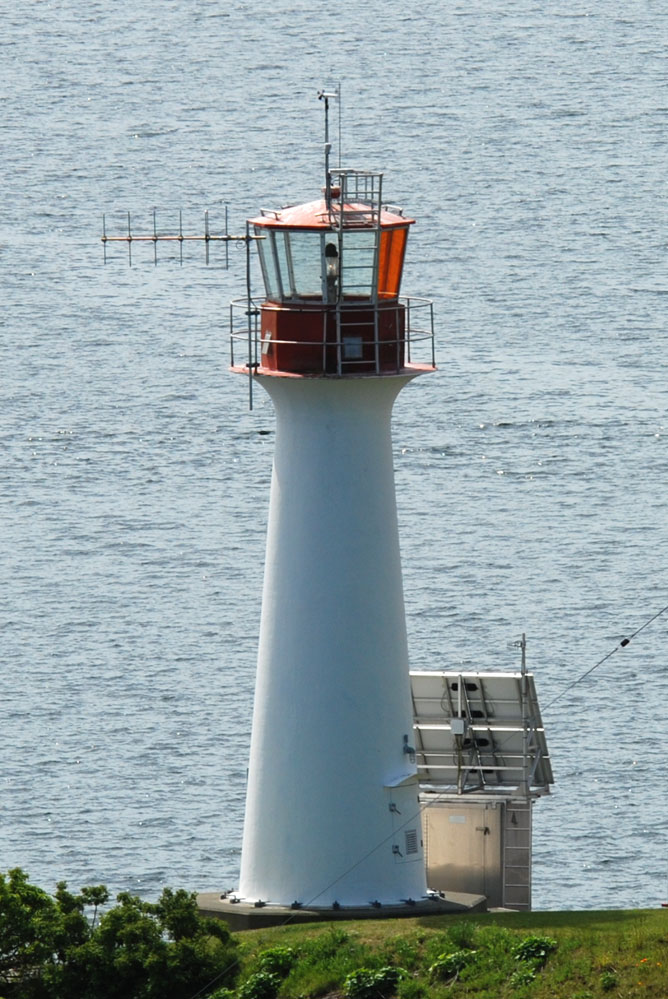
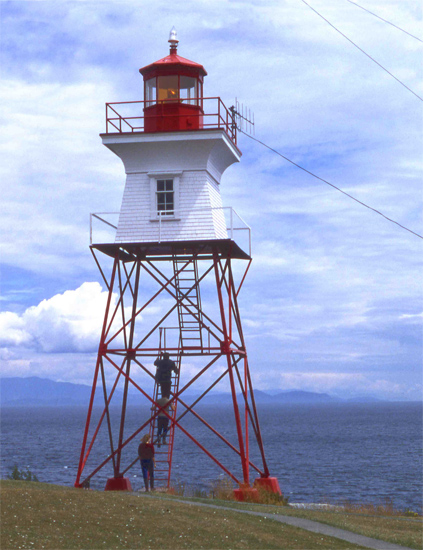
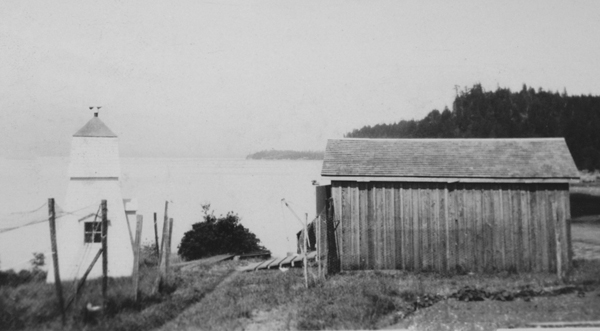
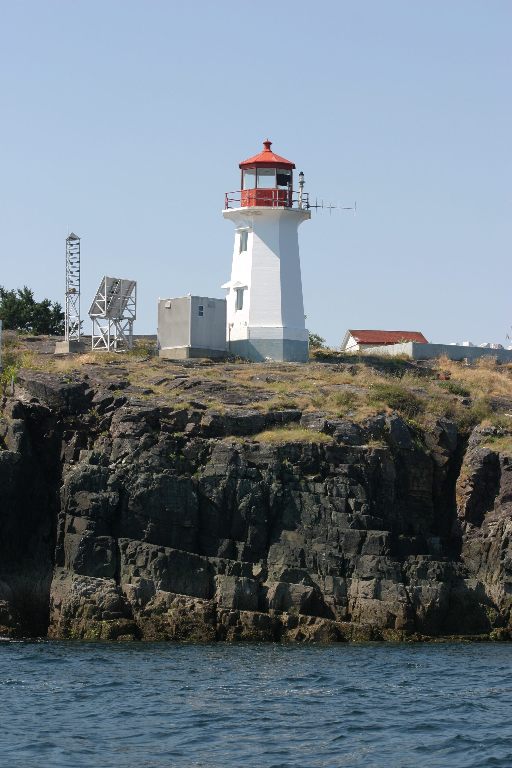
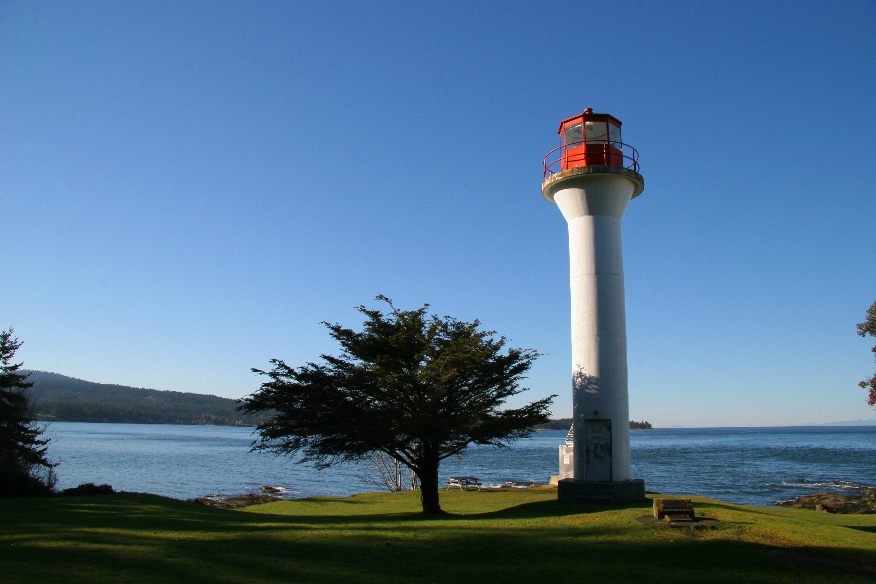
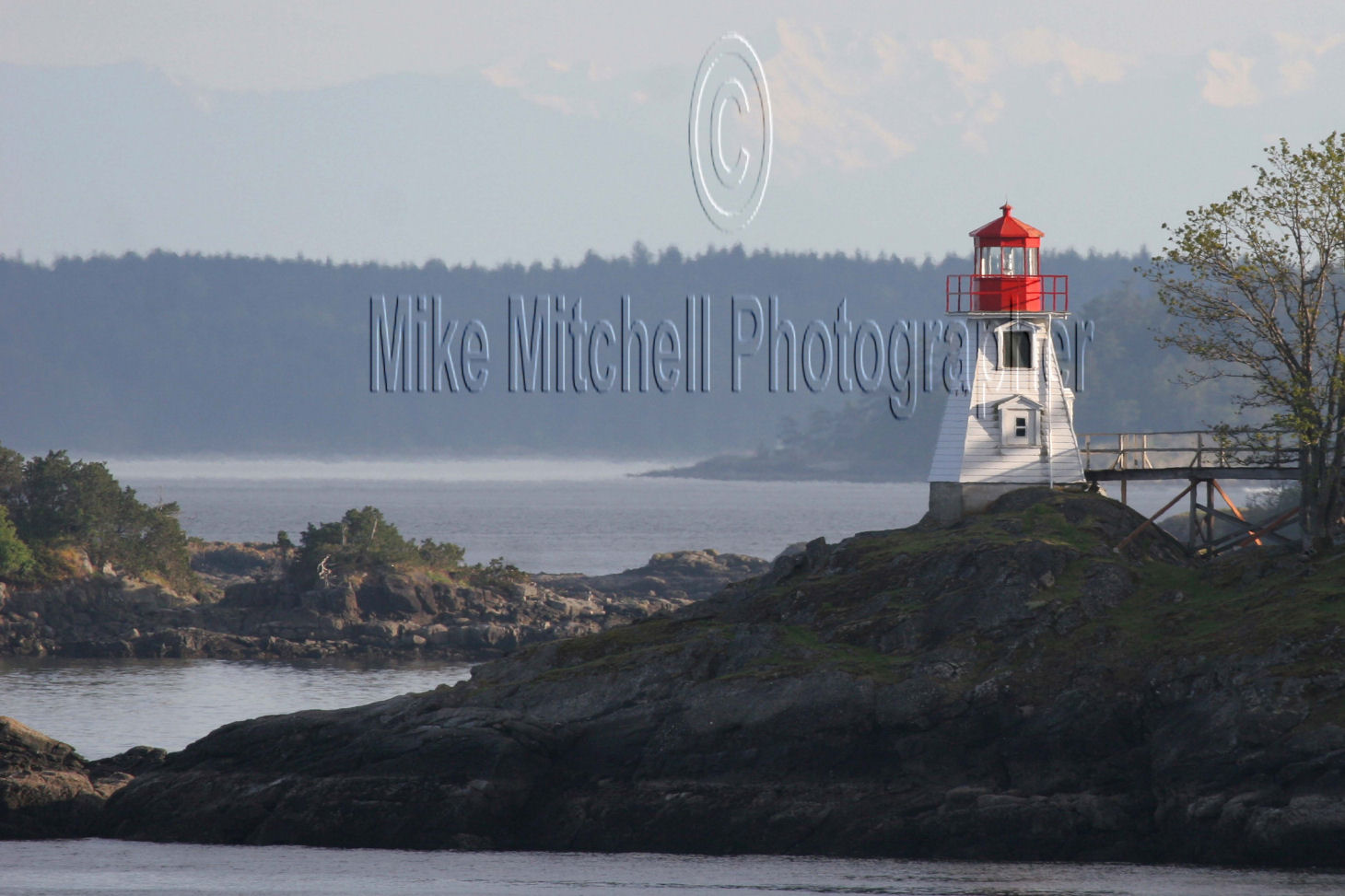
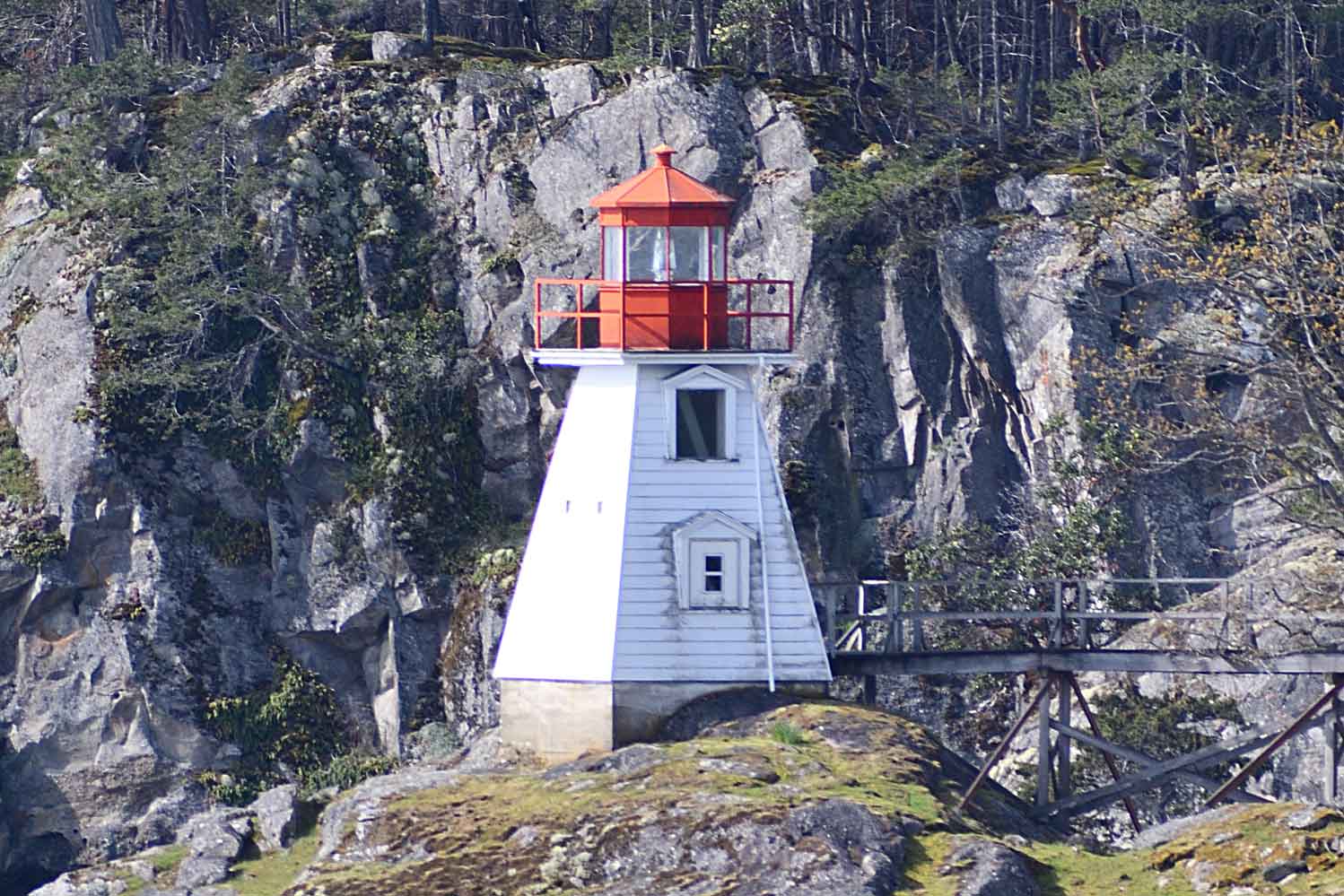
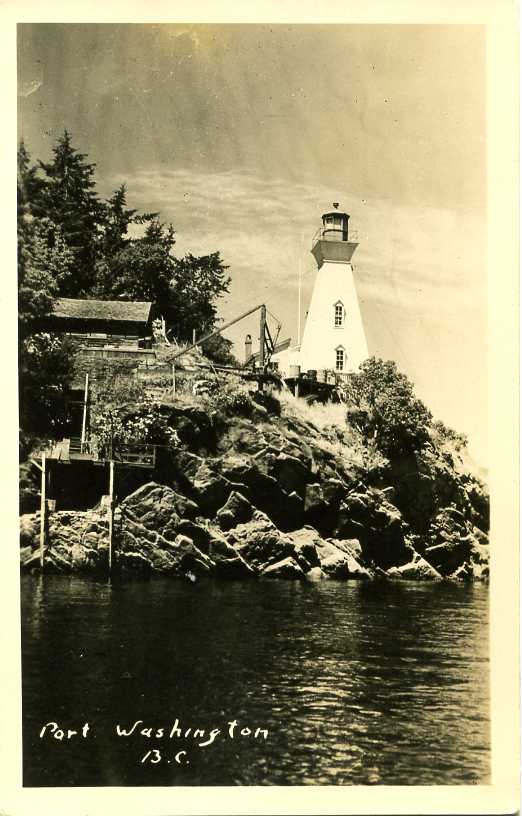
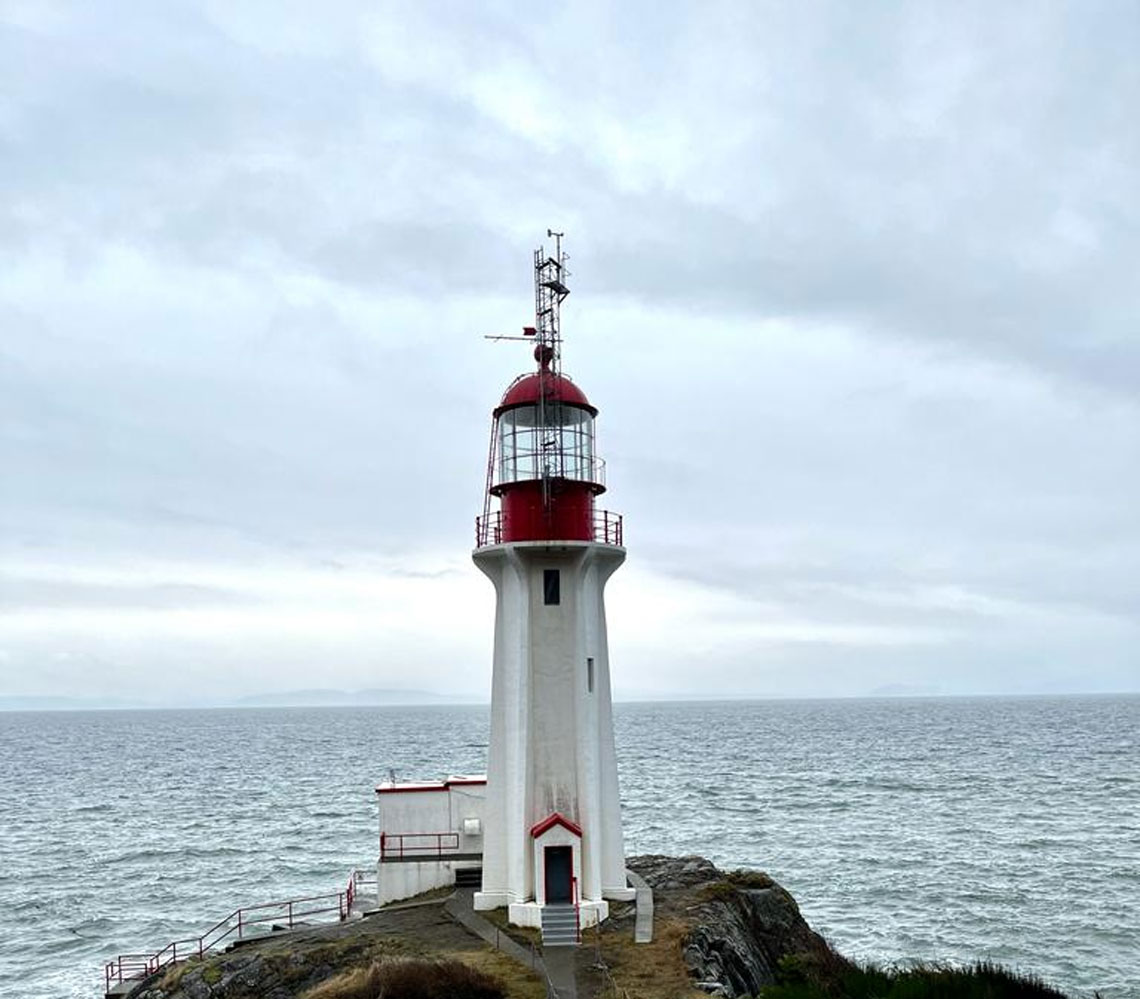
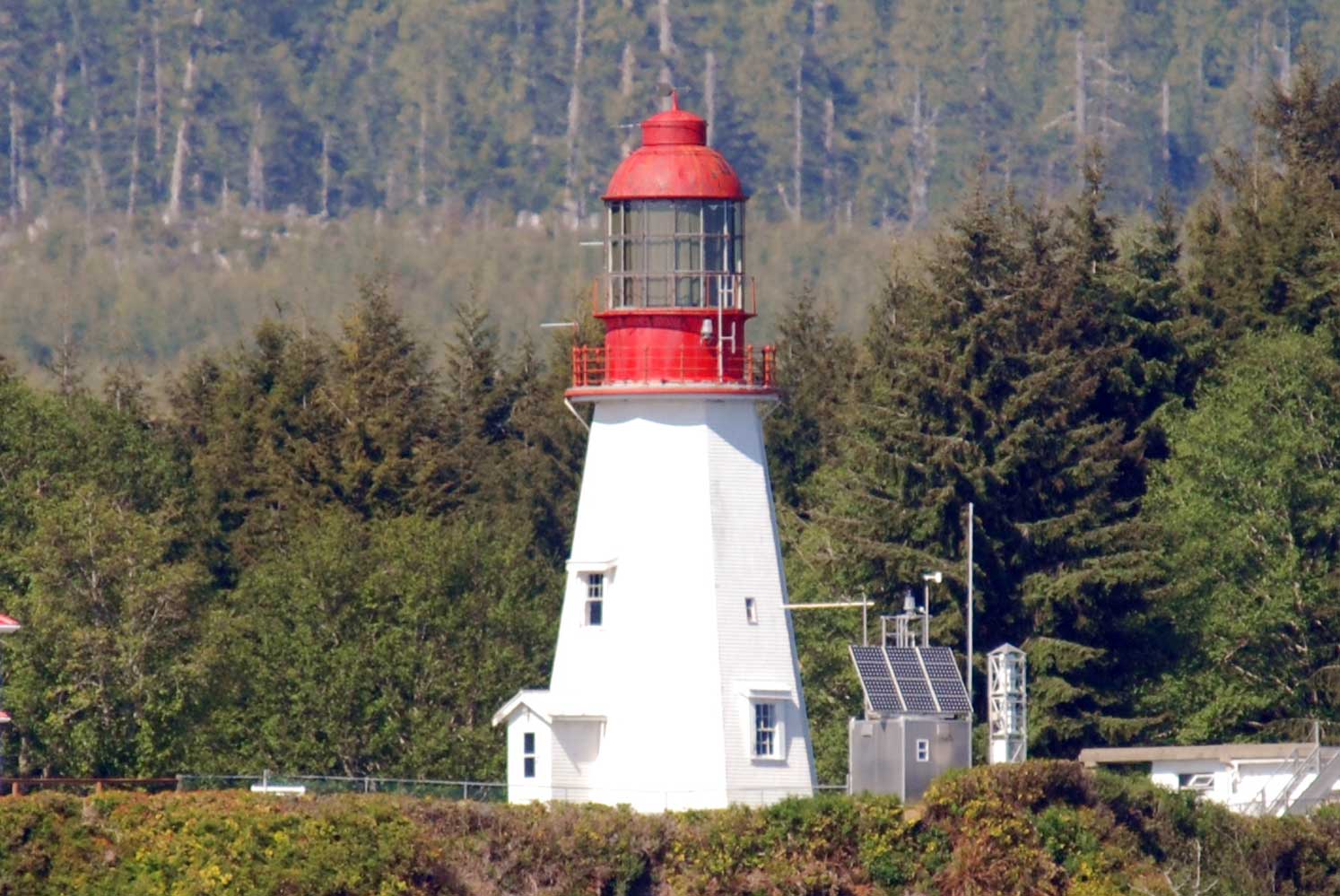
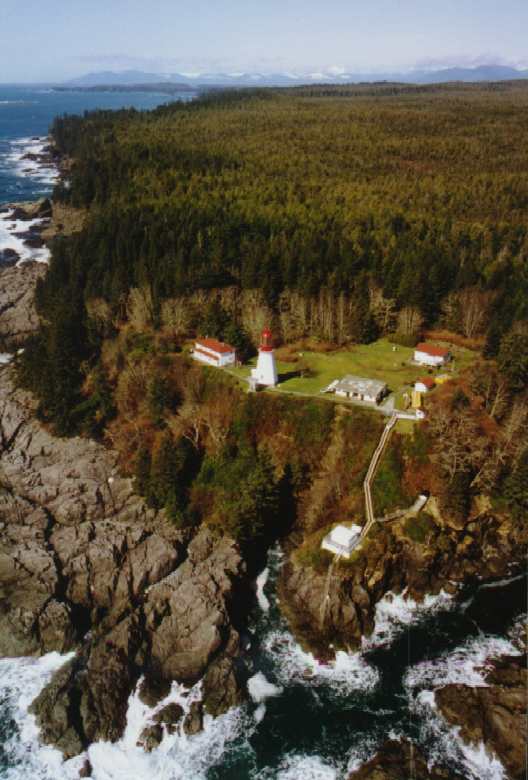
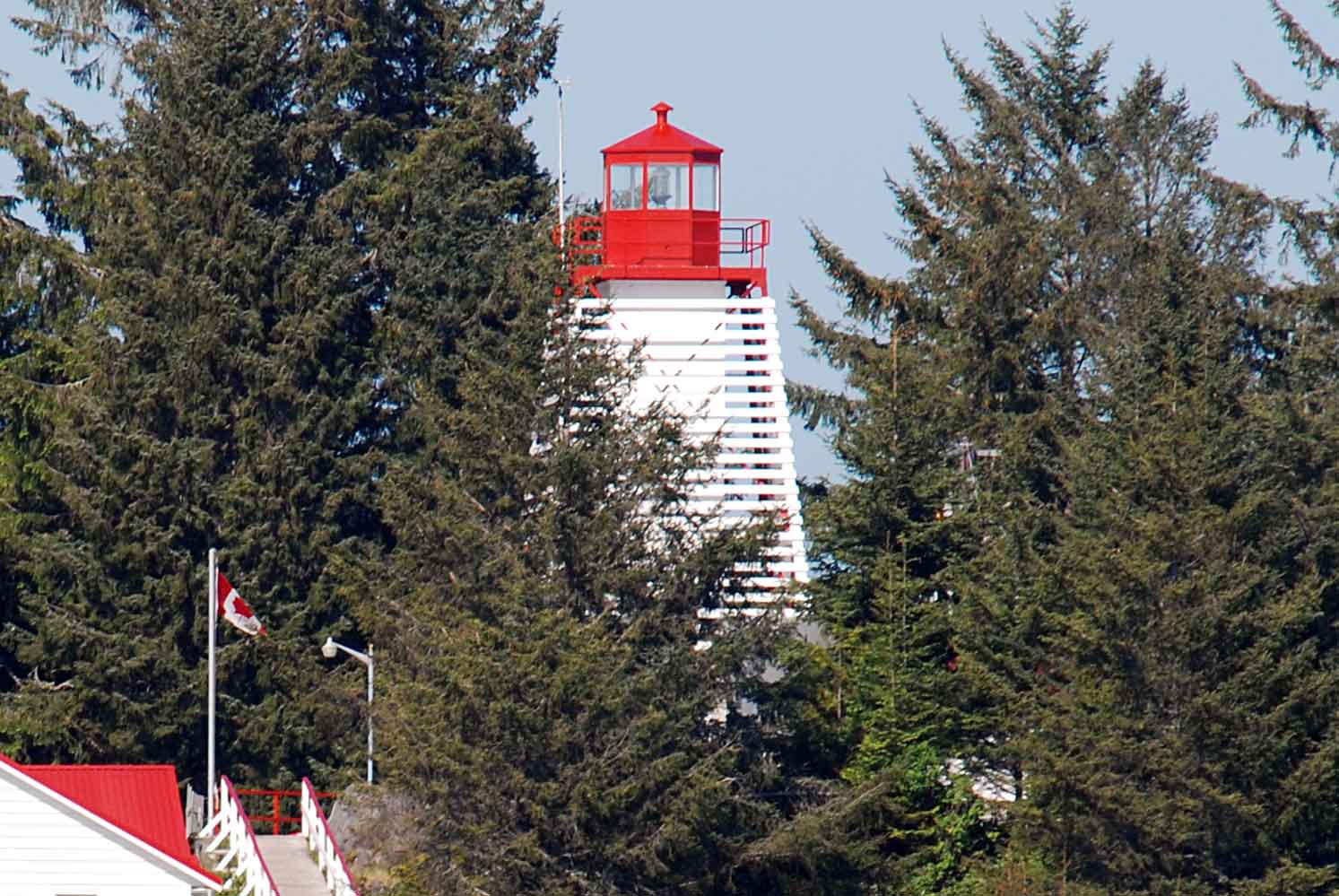
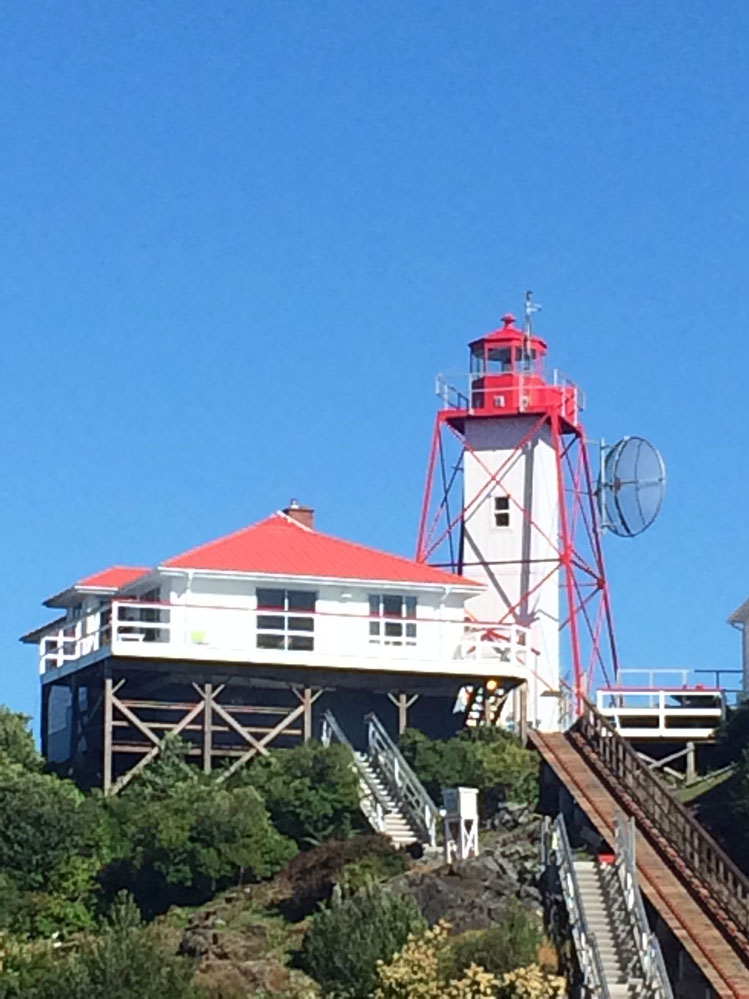
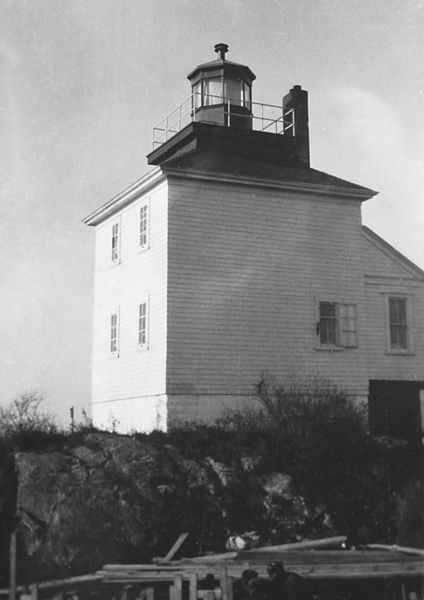
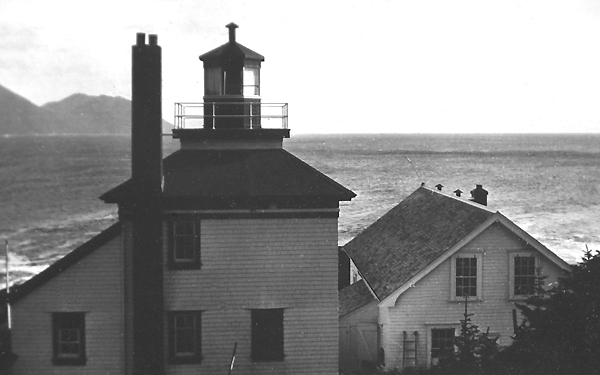
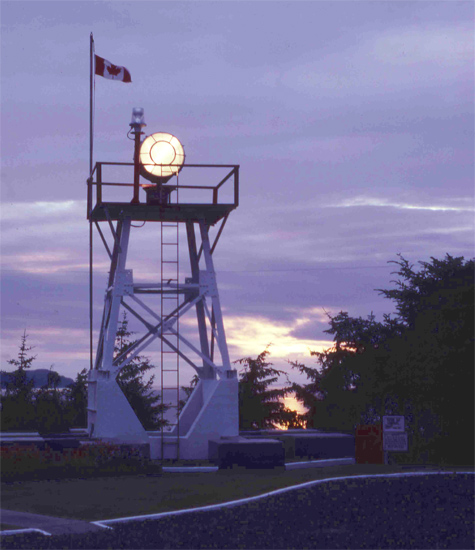
The rugged and intricate coastline of British Columbia province has about 40 surviving historic lighthouses. Unlike the situation in eastern and central Canada a fair fraction of these light stations are still staffed: Ron Ammundsen, the principal keeper at Quatsino Light, listed 27 staffed light stations in the province although several have been destaffed recently. Some of these stations represent the only federal presence in remote and roadless areas of the coast. There was an uproar in 2010-11 when the government proposed destaffing all the stations to save money; eventually the destaffing plan was dropped.
This page includes lighthouses of Vancouver Island. The Southern British Columbia page includes lighthouses of metropolitan Vancouver and the southern mainlnd of the province. Lighthouses of the Inside Passage and the Haida Gwaii (Queen Charlotte) Islands are described on the Northern British Columbia page.
Vancouver Island is the largest island of western North America, 460 km (290 mi) long and as much as 100 km (62 mi) wide. The island is oriented southeast to northwest. The northern end is separated from the mainland by the narrow waters of the Inside Passage, while the southern end lies west of the broad Strait of Georgia. The Strait of Juan de Fuca separates the southern end of the island from the U.S. state of Washington. Victoria, the capital of British Columbia, is at the southeastern tip of the island. There are good roads along the Strait of Georgia from Victoria to Campbell River and along the south coast from Victoria to Port Renfrew, but the northern and western coasts are more difficult to reach.
Lighthouses are listed clockwise around the island, starting on the east coast on the upper Strait of Georgia.
Aids to navigation in Canada are maintained by the Canadian Coast Guard. In 2008 Parliament passed the Heritage Lighthouse Protection Act to designate and protect historic lighthouses.
ARLHS numbers are from the ARLHS World List of Lights. CCG numbers are from the Pacific Coast volume of the List of Lights, Buoys, and Fog Signals of Fisheries and Oceans Canada. Admiralty numbers are from volume G of the Admiralty List of Lights & Fog Signals. For lights close to the U.S. border USCG numbers are from volume 6 of the U.S. Coast Guard List of Lights, and U.S. NGA numbers are from Publication 111.
- General Sources
- British Columbia Canada Lighthouses
- Photos and historical accounts for the more accessible lighthouses, posted by Kraig Anderson.
- Neal's Lighthouse Blog: BC
- Photos and comments by Neal Doan.
- Online List of Lights - Canada Pacific Coast
- Photos by various photographers posted by Alexander Trabas. Many photos are by Capt. Peter Mosselberger ("Capt. Peter").
- Lighthouses in British Columbia
- Photos by various photographers available from Wikimedia.
- Lighthouses of British Columbia
- Photos by Mike Mitchell.
- World of Lighthouses - Pacific Coast of Canada
- Photos by various photographers available from Lightphotos.net.
- British Columbia, Canada Lighthouses
- Aerial photos posted by Marinas.com.
- Leuchttürme Kanadas auf historischen Postkarten
- Historic postcard views posted by Klaus Huelse.
- List of Lights, Buoys, and Fog Signals
- Official Canadian light lists are available in both pdf and html formats.
- GPSNavigationCharts
- Navigation chart information for the Canadian west coast.

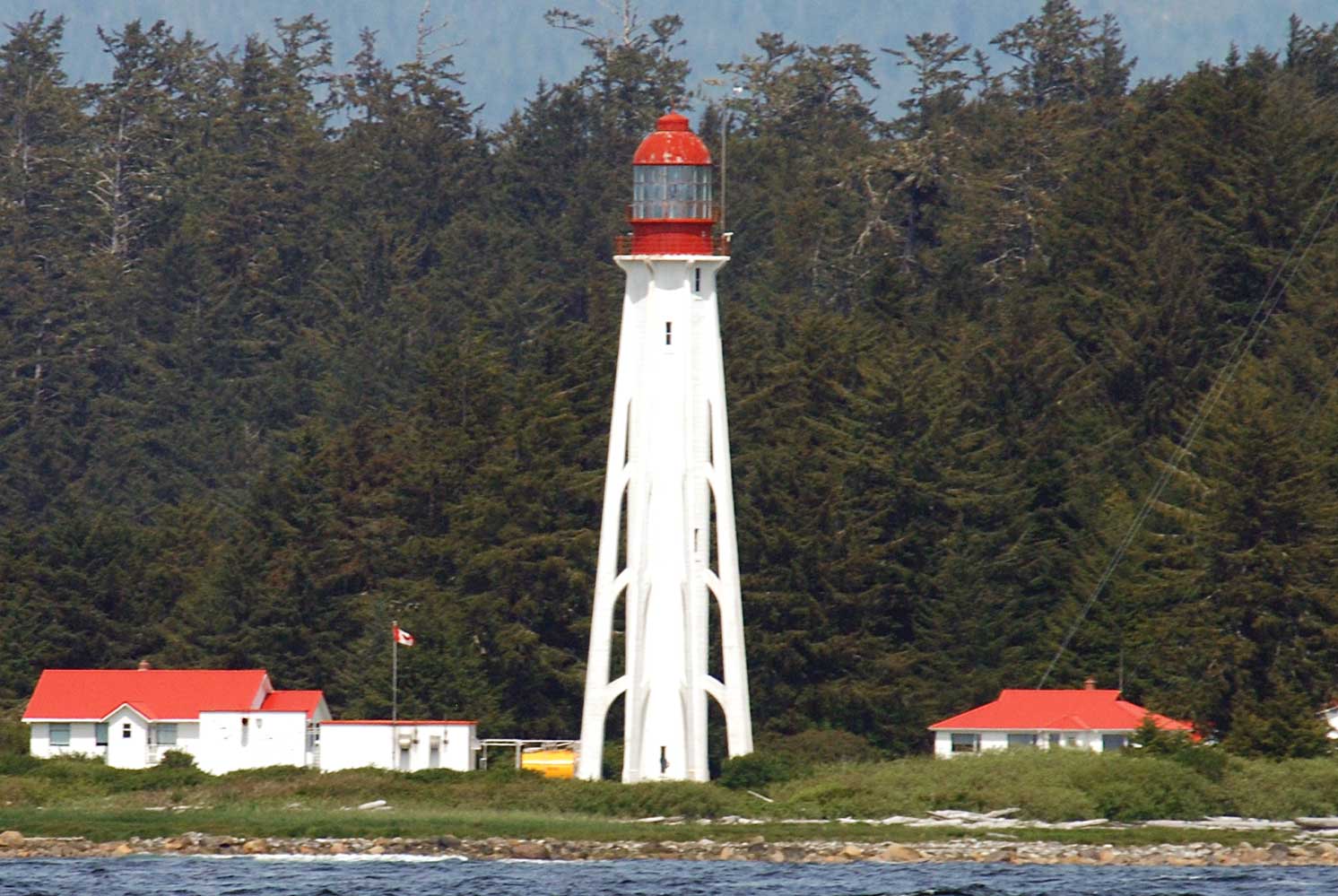
Pachena Point Light, Bamfield, August 2019
Google Maps photo by Brandon Wu