The Fiddler’s
Companion
© 1996-2009 Andrew Kuntz
_______________________________
HOME ALPHABETICAL
FILES REFERENCES
|
AS - ATT |
|
Notation
Note: The tunes below are recorded in what
is called “abc notation.” They
can easily be converted to standard musical notation via highlighting with
your cursor starting at “X:1” through to the end of the abc’s, then
“cutting-and-pasting” the highlighted notation into one of the many abc
conversion programs available, or at concertina.net’s incredibly handy “ABC
Convert-A-Matic” at http://www.concertina.net/tunes_convert.html **Please note that the abc’s in the Fiddler’s
Companion work fine in most abc conversion programs. For example, I use
abc2win and abcNavigator 2 with no problems whatsoever with direct
cut-and-pasting. However, due to an anomaly of the html, pasting the abc’s
into the concertina.net converter results in double-spacing. For
concertina.net’s conversion program to work you must remove the spaces
between all the lines of abc notation after pasting, so that they are
single-spaced, with no intervening blank lines. This being done, the F/C
abc’s will convert to standard notation nicely. Or, get a copy of
abcNavigator 2 – its well worth it.
[AK] |
AS A
SOLDIER AND A SAILOR (WERE WALKING ONE DAY). Irish, Air (3/4 time). A Major. Standard tuning. AB. The melody appears
in George Petrie’s Music of Ireland (
X:1
T:As a sailor and a soldier
M:3/4
L:1/8
R:Air
S:Stanford/Petrie (1905), No. 771
Z:AK/Fiddler’s Companion
K:A
E>G | A2A2 BA | G2A2B2 | c2d2c2 |
B4 EG | A2A2 BA | G2A2 Bd | e2c2B2 | A4 ||
cd | e2e2c2 | d2c2B2 | A A3 c2 | B4
cd | ec dB cA | BG E2 EG | A2c2B2 | A4 ||
AS A THÒISEACH (Keep
it Up) AKA and see “Keep it Up [1].” Scottish,
Reel. E Minor. Standard tuning. AB (Surenne): AABB' (most versions). Composition
of the melody is credited to Captain Simon Fraser by MacDonald in the Skye
Collection (1887). The alternate title given is “Be off, MacIntosh!.”
MacDonald (The Skye Collection),
1887; pg. 83. Stewart-Robertson (The
Athole Collection), 1884; pg. 253. Surenne (Dance Music of
X:1
T:As a Thòiseach (Be Off, MacIntosh!)
M:C|
L:1/8
R:Reel
B:Stewart-Robertson – The Athole Collection (1884)
Z:AK/Fiddler’s Companion
K:E Minor
^c | dEBE dEB^c | dEBE FDD^c | dEBE GBeB | ^cAdA FDD :|
|: f | gebe geef | gebe fddf |1 gebe gefd | ^cAdA FDD :|2 ebgb faeg | f^cdA FDD ||
AS ATT NOONE DULCINA
RESTED. AKA and see "Dulcina."
AS BLACK AS A COAL. Scottish, Jig (9/8 time). D Major. Standard tuning. AABB. The piece
first appears published in Bremner's
c. 1757 collection, according to John Glen (1891). Bremner (Scots Reels), c. 1757; pg. 60.
X:1
T:As Black as a Coal
M:9/8
L:1/8
R:Jig
S:Bremner – Scots Reels (c. 1757)
Z:AK/Fiddler’s Companion
K:D
B | (AG/F/E/D/) (D>FE/D/) A,2B |
(AG/F/E/D/) (D>FE/D/) G2B |
(AG/F/E/D/) (DG/F/E/D/) A,2e | efe
E2F G2 :: g | “tr”f>ef def A2g |
fef def gag | fef def ABd | efe E2F
G2 :|
AS DOWN IN THE MEADOWS. English, Air (6/8 time). E Flat Major. Standard tuning. AAB. The song
appears in The Merry Musician (ii.
129),
***
Her age, I am sure, it was scarcely fifteen,
And she on her head wore a garland of green;
As down in the meadows I chanc’d for to pass,
O there I beheld a young beautiful lass.
Her lips were like rubies, and as for her eyes,
They sparkled like diamonds or stars in the skies;
And then, O her voice, it was charming and clear,
As sadly she sung for the loss of her dear.
***
Chappell (Popular Music of the Olden Times), Vol. 2, 1859; pg. 127.
X:1
T:As Down in the Meadows
L:1/8
M:6/8
S:Chappell – Popular Music of the Olden Time
Z:AK/Fiddler’s Companion
K:E_
B,|B,EE E>DC|CFF F2 E/F/|G>FE
C>DE|B,ED E2:|
||A|G>AB BGE|Ecc c2 B/A/|G>AB
BGE|Eed e2B|c>Be BGE|
F>GA G2 E/F/|G>FE CDE|B,ED
E2||
AS I CAME IN BY
AUCHINDOUN. AKA and see “The Haughs of Cromdale.”
AS I ROVED OUT {One
Morning} [1] (Mar Siublais Amac!). AKA and see "Cold and Rough the North
Wind Blows," “The Maid of Timahoe.”
Irish, Air (4/4 time). A Major/Mixolydian. Standard tuning. AAB. Source for
notated version: Chicago Police Sergeant James O’Neill, a fiddler originally
from
X:1
T:As I Roved Out
M:C
L:1/8
R:Air
N:”With expression”
S:O’Neill – Music of
Z:AK/Fiddler’s Companion
K:A
ag | e2 dB A2E2 |G3A B2 =g>f | e2
dB A2 A2 A6 :|
||AB | =c2 AB ^cdef | g2 d2 e2 ef/g/
| a2 ab agec | d2c2 A3 B |
=c2 AB ^cdef | =g2 d2 e2 f^g | a3b
agec | d6 a>g | e2 d>B A2 E2 |
G3A B2 =g>f | e2 dB A2 A2 | A6 ||
AS I ROVED OUT [2]. AKA and see "Seventeen Come Sunday."
Irish, Air.
AS I ROVED OUT ON A
MAYDAY MORNING. Irish, Moderate or Slow Air (4/4
time). F Major/Mixolydian. Standard tuning. One part. "
AS I ROVED OUT ON A
SUMMER MORNING. AKA and see "Colleen Rue [1]."
AS I ROVED OUT ONE MORNING [1] (Mar Siublais Amac Air
Maidin). AKA
and see “As I walked out one
morning, I heard a dismal cry.” Irish, Air (2/4 time, "with
spirit"). G Major. Standard tuning. AB. Source for notated version: “From
Mr. R. A. Fitzgerald” [Stanford/Petrie]. O'Neill (Music of Ireland: 1850 Melodies), 1979; No. 236, pg. 41. Stanford/Petrie
(Complete Collection), 1905; No. 658,
pg. 165 (appears as “As I walked out one morning, I heard a dismal cry”).
X:1
T:As I Roved Out One Morning [1]
M:2/4
L:1/8
R:Air
N:”With spirit”
S:O’Neill – Music of
Z:AK/Fiddler’s Companion
K:G
D | GG AB/c/ | dd/c/ AB/c/ | dB/G/
FG | F3 D | GG AB/c/ | dd/c/ AB/c/ |
dc/A/ GG | G3 || B/c/ | dg dc/B/ |
cd cD/E/ | FG A/B/c/A/ | F3 d/c/ |
BA/B/ cB/c/ | dd/c/ AB/c/ | dc/A/ GG
| G3 ||
AS I ROVED OUT ONE
MORNING [2]. AKA and see “The Maid of Timahoe.” Irish, Air (4/4
time). B Flat Major. Standard tuning. One part. Petrie notes this tune is a
variant of his “Maid of Timahoe.” Source for notated version: “From Mr. Joyce”
[Stanford/Petrie]. Stanford/Petrie (Complete
Collection), 1905; No. 657, pg. 165.
X:1
T:As I roved out one morning [2]
M:C
L:1/8
N:”Andante”
S:Stanford/Petrie (1905), No. 657
Z:AK/Fiddler’s Companion
K:B_
F | B2 Bc d2 FG | _A2 BA F2 DE | F2
GA B2B2 | B6 e2 | d2B2 Bc de |
f2 fd e2 fe | d2 cB BA FG | F6 e2 |
d2B2 Bc de | f2 fd e2 fe | d2 cB BA FG |
_A6 F2 | B2 Bc d2 FG | _A2 BA F2 DE
| F2 GA B2B2 | B6 ||
AS I
STRAYED OUT ON A FOGGY MORNING IN HARVEST. Irish, Air (3/4 time). D Major. Standard tuning. AB. Stanford/Petrie (Complete Collection), 1905; No. 664, pg.
166.
X:1
T:As I strayed out on a foggy
morning in harvest
M:3/4
L:1/8
S:Stanford/Petrie (1905), No. 664
Z:AK/Fiddler’s Companion
K:D
A/B/4/c/4d/e/ | f2 eg fe | d2 cA Ac
| d2 cA GA | FD D2 FG | A2 Ac de |
f2 ed cB | Ad d2d2 | d4 || de | f2
eg fe | d2 cA Ac | d2 cA GA | FD D2 FG |
Ad d2 ce | dc AG FD | {F}E2 D2D2 |
D4 ||
AS I WALKED ON THE
ROAD TO
X:1
T:As I walked on the road to
M:6/8
L:1/8
R:Air
N:”Playful”
S:Joyce – Old Irish Folk Music and Songs (1909)
Z:AK/Fiddler’s Companion
K:G Dorian
D2|G2A B2c|d2e fef|g2G c2B|AcA F2D|G2A
B2c|d2e f2d|gab agf|g3g2||ga|
B2g a2f|g2f d2e|f2d c2B|AcA F2D|G2A
B2c|def g2 a/g/|fed c2A|G3G2||
AS I WALKED OUT ONE
EVENING. Irish, Air (4/4 time).
X:1
T:As I walked out one evening
M:C
L:1/8
N:”
S:Stanford/Petrie (1905), No. 659
Z:AK/Fiddler’s Companion
K:E_
B | e3f gfed | c3
e3c d2e2 | fe dc d2 cB | c3d B3B |
A2 GF EG Bd | e3c d2e2 |
fe dc d2 cB | =A2 Bc B2 c>d | e3f
gfed | c3B A2 Bc | B3G A2 FG | E2E2E2 ||
AS I WALKED OUT ONE MORNING, I HEARD A DISMAL CRY. AKA and see “As I roved out one morning [1].”
AS I
WALKED OUT ONE MORNING IN SPRING. Irish, Air (6/8 time). F Major.
Standard tuning. One part. Source for notated version: “(The Irish collector)
P.W. Joyce, Esq.” [Stanford/Petrie]. Stanford/Petrie (Complete Collection), 1905; No. 666, pg. 167.
X:1
T:As I went a waling one morning in
Spring
M:6/8
L:1/8
S:Stanford/Petrie (1905), No. 666
Z:AK/Fiddler’s Companion
K:F
f | fef gfe | fdc A2f | fef dcA |
AGG G2f | fef gfe | fdc Add |
cAG GA=B | c3 f2d | cAG AFG | (F3F2)
||
AS I WALKED OUT
YESTERDAY EVENING. Irish, Air (9/8 time). D Major.
Standard tuning. AB. Stanford/Petrie (Complete
Collection), 1905; No. 665, pg. 167.
X:1
T:As I walked out yesterday evening
M:9/8
L:1/8
S:Stanford/Petrie (1905), No. 665
Z:AK/Fiddler’s Companion
K:D
A | AAA ddd d2 d/e/ | fff e>fd
edd/e/ | fff efe dcB | cBA BA”tr”F AFD ||
{d/e/}fdA/G/ F2G {D/F/}E2D | C>DE/F/
GEE EAd/e/ | fff efe dcB |
cBA BAF A>FD ||
AS I WALKED OVER THE
X:1
T:As I walked over the
M:3/4
L:1/8
N:”Andante”
S:Stanford/Petrie (1905), No. 661
Z:AK/Fiddler’s Companion
K:E_
B AF | E>D EF BB | B>c de dB |
A>F EF EE | E3 BAF |
E>D EF BB | B>c de dB | A>F
EF EE | E3 ||
|: FAB | e2 de fe | e>d BF AB/d/
| e2 de fe/d/ | B3 A/B/ dB |
A>F EF BB | B>c de dB | A>F
EF EE | E3 :|
AS I WAS BY THE BAY
WESTWARDS (Siar Cois Chuain
Dom). Irish,
Moderate Air (4/4 time). D Minor. Standard tuning. AB. "Compare with 'Cois taoibh a chuain'"
(Joyce). Joyce (Old Irish Folk Music and
Songs), 1909; No. 719, pg. 358‑359.
AS I WAS KISSED
YESTREEN. See “Kissed Yestreen.”
AS I WAS WALKING
BESIDE DUBLIN (Air Mo Ghabhail Dhom
Taoibh Bhaile-atha-cliath). Irish, Moderate Air (3/4 time). G Major. Standard tuning. One part.
"From Lewis O'Brien of Coolfree Co.
X:1
T:As I was walking beside
T:Air mo ghabhail dhom taoibh
Bhile-Atha-Cliath
M:3/4
L:1/8
R:Air
N:”Moderate time”
S:Joyce – Old Irish Folk Music and Songs(1909)
Z:AK/Fiddler’s Companion
K:G
g/f/e|d2 d>cBc|B>AGBdB|A2G2G2|G4G2|Bcdefd|gfedcB|c2d2
e>c|d4 d/e/f|
g2 efg>e|=fedc B2|c2d2 ef|g4
eg|=f>edcBc|BAGBd>B|A2G2G2|G4||
AS I WAS WALKING ONE
MORNING IN MAY. Irish, Air (3/4 time). C
Mixolydian. Standard. One part. Source for notated version: “From P. Coneely”
[Stanford/Petrie]. Stanford/Petrie (Complete
Collection), 1905; No. 663, pg. 166.
X:1
T:As I was walking one morning in
May
M:3/4
L:1/8
N:”Andante”
S:Stanford/Petrie (1905), No. 663
Z:AK/Fiddler’s Companion
K:C
EF | G2e2 GA | _BG F2 EF | G2e2
d>c | c4 ef | g2e2c2 | f2e2d2 |
c2 cB G^F | G4 ef | g2e2c2 | f2e2d2
| c2 cB GF | G4 EF |
GA _B2 c2 | _BG F2 EF | G2e2 d>c | c4 ||
AS I WENT OUT UPON THE
ICE (Ag Dul amach ar an
Leac Oighir dom).
AKA and see “The Glin Cottage
Polka [2],” “Johnny
O’Leary’s [1].” Irish, Polka.
***
As I went out upon the ice,
The ice being rough and stony,
The ice it broke and down I went
And wet my tanlee ownee.
***
or:
***
One day as I went out to skate,
The ice was rough and stony;
And the ice it bent so in I went
And wet my Taglioni.
***
Moylan, however, notes that all
versions of the song he heard were sung to slide tunes, not polkas. The tune is
usually played with “Jimmy
Doyle’s [1]" in Sliabh Luachra tradition. See also the related “Dálaigh’s Polka.” Sources for notated
versions: fiddler Denis Murphy,1966 (Gneeveguilla, Co.
X:1
T:As I Went Out Upon the Ice
M:C
L:1/8
R:Polka
K:Ador
||:
e2A2 B2d2 | e2A2 A2Bd | e2A2 B2A2 | G3A B2d2 |
e2A2 B2d2 | e2A2 A2B2 | G2A2 d2B2 | A4 A4 :||:
e2a2 a2ga | b2a2 g4 | e3f g2a2 | g2e2 e2d2 |
e2a2 a2ga | b2a2 g4 | efge d2B2 | A4 A4 :||
AS I WENT TO
AS I WENT UP TO
AS JIMMY
AND NANCY ONE EVENING WERE STRAYING. Irish, Air (3/4 time). F
Major/Mixolydian. Standard tuning. One part. Stanford/Petrie (Complete Collection), 1905; No. 687, pg.
172.
X:1
T:As Jimmy and Nancy one evening
were straying
M:3/4
L:1/8
S:Stanford/Petrie – Complete
Collection (1905)
Z:AK/Fiddler’s Companion
K:F
A>B | c2F2 GF | A2 cB GE | F2F2GF
| E2F2 ce | f2 de f2 | _e2c2 cB |
A2 FG AB | c4 cd/e/ | f2 de f2 |
_e2c2 cB | A2 FA GF | E3F GB |
AS LUCK WILL HAVE IT. English, Jig. D Major. Standard
tuning. AB. Composed by English collector, choreographer, musician and teacher
Pat Shaw in 1977. Barnes (English Country
Dance Tunes, vol. 2), 2005; pg. 56 (appears as “Halsway Sicilian”, the name
of a dance, also by Pat Shaw, set to the tune).
AS QUICK AS YOU PLEASE. English, Country Dance Tune (6/8 time). A Minor. Standard tuning. AABB.
The tune was first published in 1728. Barnes (English Country Dance Tunes), 1986.
AS SLOW OUR SHIP. AKA and see "Spailpin
Fanac(h) [1]," "The
Girl I Left Behind Me [1]." Irish, Set Dance.
AS SOON AS YOU PLEASE.
English, Jig. G Major. Standard tuning. AABB. The melody, like many in
Charles and Samuel Thompson’s 1757 collection, first appeared in John Johnson’s
200 Favourite Country Dances, vol. 7 (London, 1756). Thompson (Compleat
Collection of 200 Favourite Country Dances, vol. 1), 1757; No. 93.
X:1
T:As soon as you please
M:6/8
L:1/8
B:Thompson’s Compleat Collection of 200 Favourite Country Dances, vol. 1 (London, 1757)
Z:Transcribed and edited by Flynn Titford-Mock, 2007
Z:abc’s:AK/Fiddler’s Companion
K:G
d|gba gba|gdd d2B|egf agf|gdB G2d|gba gba|gfe agf|(3e/f/g)f ed^c|d3 D2:|
|:d|dDd
cDc|BDB ADA|dDd cDc|”tr”B3 A2d|dDd cDc|BDB ADA|(E/F/G)E (A/B/c)A|G3 G,2:||
AS THE SUN WAS SETTING. Scottish, Slow Air. A Minor. Standard tuning. AAB. Composed by John
Kirkpatrick (English button accordionist), 1972. Lerwick (The Kilted Fiddler), 1985; pg. 74.
AS THROUGH THE WOODS I
ROAMED. AKA - “As through the woods I
chanced to roam.” Irish, Air (4/4 time). G Minor (O’Neill): F Minor
(Stanford/Petrie). Standard tuning. AB. Source for notated version: “From (the
Irish collector) Mr. Joyce” [Stanford/Petrie]. O'Neill (Music of Ireland: 1850 Melodies), 1903/1979; No. 487, pg. 85.
Stanford/Petrie (Complete Collection),
1905; No. 667, pg. 167 (appears as “As through the woods I chanced to roam”).
X:1
T:As Through the Woods I Roamed
M:C
L:1/8
R:Air
N:”Moderate”
S:O’Neill – Music of
Z:AK/Fiddler’s Companion
K:G Minor
GF|D2G2G2 FG|A2A2 f2 dc|B2B2B2G2|c3A
F3A|G2G2G2 FG|A2A2 f3d|
d>c AG A3G|G4 G2||dc|d2g2g2 fg|a2g2g2
fg|a2 gf d2 cd|=e3f d3e|
g2 dc A2G2|Ac d=e f3a|gf dc A3G|G4
G2||
AS 'TIS DANC'D AT THE
PLAYHOUSE. AKA and see "Trip to the Jubilee."
AS WE GO ABOUT OUR
WORK. Irish, Slow Air (4/4 time). G
Major. Standard tuning. AB. O'Neill (O’Neill’s
Irish Music), 1915/1987; No. 27, pg. 22. O'Neill (Music of Ireland: 1850 Melodies), 1903/1979; No. 65, pg. 12.
X:1
T:As We Go About Our Work
M:C
L:1/8
R:Air
N:”Slow, with expression”
S:O’Neill – Music of Ireland (1903),
No. 65
Z:AK/Fiddler’s Companion
K:G
d ef | gedB AGGE | DGGA G3G | EAAB
cdea | fdde ddef | gbaf gedB |
AGGE G3G | DGBG cAEF | G4 z || F ED
| EGce d2dd | gedB G2 GG |
Gcea f2 e>d | d4 zdef | gGGG GDDD
| EAAB c3c | BgcA E2 F2 | G4 z ||
AS WE SAILED FROM THE
***
As we sailed from the
It’s then we had fine pleasant weather;
For two days or three we’d a very calm sea,
And our good ship she wrought with much pleasure.
Buth then rose a fog, and our vessel did log,
You could scarcely observe our slow motion;
When to our surprise the storm did arise,
And the billows did foam through the ocean
***
Source for notated version: “Mr. J.
McKenzie of Newtownards, a great lover of Irish Music and of the corresponding folk
songs, sent me the (air) about 30 yeards ago” (i.e. 1875). Joyce (Old Irish Folk Music and Songs), 1909;
No. 319, pg. 149.
X:1
T:As we sailed from the downs
M:3/4
L:1/8
R:Air
S:Joyce – Old Irish Folk Music and Songs (1909)
Z:AK/Fiddler’s Companion
K:E_
BA|G2G2G2|F4F2|F2E2E2|A4B2|c2B2A2|B2A2F2|F2E2
BA|G2G2G2|
F4F2|F2E2E2|A4B2|c2B2A2|B2A2F2|F2E2||EF|G2A2B2|e4e2|c2B2c2|
E4 EF|G2A2B2|e2_d2c2|c2 B2
zA|B2A2F2|E4 C2|E2E2F2|A4B2|c2B2A2|
B2A2F2|F2E2||
AS YOU LIKE IT. English, Reel. D Major.
Standard tuning. AABB’. The tune appears in the 1770 music manuscript
collection of Northumbrian musician William Vickers, about whom, unfortunately,
nothing is known.
X:1
T:As You Like Itt
M:C|
L:1/8
R:Reel
S:William Vickers’ music manuscript
collection (Northumberland, 1770)
Z:AK/Fiddler’s Companion
K:D
A|F/E/D AF GABG|F/E/D AF G2 EG|F/E/D
AF GABG|Adec d2D:|
|:A|defd efge|fg/a/ fd c2 AB/c/|1
dfdB cecA|GBAG F2 DF:|2 afge fdec|dBAG F2D2||
ASA HOGE TUNE. AKA and see "Such
A Gettin' Upstairs [1]." American, Breakdown. USA, Pa. G Major.
Standard tuning. AAB. "From Asa Hoge, Green County,
ASEY'S PIECE. AKA and see "Oho,
Oho, I've Found You Out," "Hunnell's Double Drag."
American, Jig. USA, Pa. A Mixolydian. Standard tuning. AB. The title comes from
"its being a favorite piece of Asa Sellers, a crippled cobbler of
Waynesburg, Greene County, who was a devoted and famed fifer, and used to
march, with a pronounced limp, in every martial‑band parade
possible" (Bayard). Bayard traces the tune to Northumbria. Source for
notated version: Charles Ganiear (orig. Greene County, Pa.) [Bayard]. Bayard (Dance to the Fiddle), 1981; No. 610B,
pg. 540.
ASGILL’S RANT.
English, Jig. D Major. Standard tuning. AABB. The melody is unique to
Charles and Samuel Thompson’s third country dance collection (London, 1773).
Thompson (Compleat Collection of 200 Favourite Country Dances, vol.
3), 1773; No. 51.
X:1
T:Asgill’s Rant
M:6/8
L:1/8
B:Thompson’s Compleat Collection of 200 Favourite Country Dances, vol. 3 (London, 1773)
Z:Transcribed and edited by Flynn Titford-Mock, 2007
Z:abc’s:AK/Fiddler’s Companion
K:D
(def) (edc)|(dAF) D2A|(def) (efg)|fdd e3:|
|:(ecA) (ecA)|(Bcd) “tr”d3|(bge) (afd)|cec A2G|(FAd) (BAG)|FGE D3:||
ASH GROVE (Llwyn Onn). AKA ‑ "Ashtree Grove"?? AKA and see “Llewellyn,”
"Sir Watkin William Wynn." Welsh (originally),
Scottish,
***
Down yonder green valley, where
streamlets meander
Amid the dark shade of the lonely
ash tree.
***
Johnson (The Kitchen Musician's
Occasional: Waltz, Air and Misc.), No. 1, 1991; pg. 1. Kerr (Merry Melodies), vol. 3; No. 309, pg.
33. Laufman (Okay, Let's Try a Contra,
Men on the Right, Ladies on the Left, Up and Down the Hall), 1973; pg. 23.
Matthiesen (Waltz Book I), 1992; pg.
13. Flying Fish FF70610, Robin Huw Bowen – “Telyn
Berseiniol Fy Ngwlad/The Sweet Harp of My Land” (1996). [COMMENT3][COMMENT4]Green
X:1
T:Ash Grove
R:Waltz
C:Trad.
M:3/4
L:1/8
K:D
|:"A"A|"D"d2f2ag|f2d2d2|"G"e2gfed|"A"c2A2A2|"D"d2fedc|"G"B2G2B2|"D"A2d2"
A"c2|"D"d4:||:efg||"D"a2fgab|a2g2f2|"A7"g2efga|g2f2e2|"D"f2defg|"Bm"f2e2
d2|"A"c2a2^"E"g2|"A"a4A|"D"d2f2ag|f2d2d2|"G"e2gfed|"A"c2A2A2|"D"d2fedc|"
G"B2G2B2|"D"A2d2"A"c2|"D"d4:||
ASH MALEY HOUSE. AKA and see "Ashmolean House."
ASH PLANT. See "The Ashplant."
ASHER. American, Reel. D Major (‘A’ part) & D Minor (‘B’ part). Standard tuning. AA’BB. Composed by
ASHEVILLE. AKA and see "Flop-Eared Mule [1]." Old‑Time, Breakdown.
USA, North Carolina. Learned by Madison County, North Carolina fiddler Tommy
Hunter from his grandfather. The name appears to be a local re-titling of the
well‑known "Flop Eared Mule," and Hunter’s version is the same
as Osey Helton’s Broadway recording. Broadway 5119‑B (78 RPM), Osey Helton c. 1924
(Asheville, North Carolina fiddler). June Appal 007, Tommy Hunter ‑
"Deep in Tradition" (1976).
ASHFORD ASSEMBLY, THE. English, Country Dance Tune (6/8 time). E Minor/G Major. Standard
tuning. AABB. Barnes (English Country
Dance Tunes), 1986.
ASHLAND BREAKDOWN. Bluegrass, Breakdown. C Major. The
tune requires playing in the second position on the violin. Kenny Baker – “Kenny Baker Plays Bill Monroe.”
ASHLEY MACISAAC’S REEL. Cape Breton, Reel. Ashley MacIsaac is a young fiddler who grew up in
Creignish, Inverness County, Cape Breton, N.S. He first recorded in 1992, and
went on to become a somewhat controversial and sensational recording and
concert artist. Celestial Entertainment CECS001,
Brenda Stubbert (
ASHLEY MACISAAC’S REQUEST. Canadian, Pipe Reel.
ASHLEY'S
FLAG. AKA – “Astley’s Flag,” “Distillery Hay.” English, Reel.
ASHLEY'S HORNPIPE. AKA and see "Astley's Hornpipe< /a>."
ASHLEY'S RIDE. See "Astley's Ride."
ASHLEY’S SWING. Canadian, Jig.
ASHMOLEAN HOUSE (Teach Ashmolean). AKA ‑ "Ash Maley House,” “The Ashmolean." Irish, Reel.
D Major. Standard tuning. AABB. Breathnach (1996) attributes the composition to
|
See also listings at: Jane Keefer’s Folk Music Index: An Index to Recorded Sources Alan Ng’s Irishtune.info |
X:1
T: Ashmolean House
C: Tommy Gunn
S: J. O'Sullivan / Kelly Bros.
Z: transcribed by B.Black
Q: 350
R: reel
M: 4/4
L: 1/8
K: D
AF F2 EDB,A, | D2 FD FA A2 | defd efdB | AFDE FE E2 |
AF F2 EDB,A, | D2 FD FAAB | ABde dBAF | A,CEG FD D2 :|
defg a3 b | afdf eB (3BAB | defg a3 b | afdf e3 f |
fd (3ddd ad (3ddd | edBd egfe | dBAF A3 F |
A,CEG FD D2 :|
X:2
T:Ashmolean, the
C:Tommy Sands
R:reel
S:Mike Rafferty
H:The Ashmolean is a museum in York (UK),
H:named after its founder, a fellow named Ashmole.
N:Ashmolean House title courtesy of Andrew Kuntz.
D:Jerry O'Sullivan
Z:Lesl Harker [lmh@rcons.com]
M:C
L:1/8
K:Dmix
d3B|:AF~F2 EDBA|D2ED FA A2|defd efdB|AFDE FEE2|
AF~F2 EDBA|D2EDFA A2|ABde dBA2|BDEG FDD2:|
|:defg a~a2b|afdf edBA|defg a2ab|afdf e2eg|
fdd2 Addf|edAd e2fe|dBAF A~A3|BDEG FDD2:|
X:3
T:Ashmolean House
R:reel
C:Tommy Gunn (fiddle), Derrylin, Co. Fermanagh
B:Ceol Rince na hÉireann 4,
no. 200
M:4/4
L:1/8
K:D
AF (3FFF EDB,A,|D2 (3FED FAAB|defd efdB|AFDE FEEE|
AF (3FFF EDB,A,|D2 (3FED FAAB|ABde dBAF|A,B,DF ED D2:|:
defg a2 ab|afdf eB{c}BA|defg a2 ab|afdf {g}feef|
fd (3ddd ad (3ddd|edBd egfe|dBAF ABAF|A,B,DF ED D2:|
X:4
T:Ashmolean House
R:reel
Z:Transcribed by Bill Reeder
M:4/4
L:1/8
K:D
"D"AF~F2 EDBA|"D"D2 (3FED FAA2|"D"d2 fd
efdB|"D"AFDE "A"FEE2|!
"D"AF~F2 EDBA|"D"D2 (3FED FAAB|"D"ABde
dBAF|"A"AFEG "D"FDD2:||!
"D"defg a2ab|"D"afdf
"Em"eBB2|"D"defg a2ab|"D"afdf "A"e4|!
"D"fd~d2 Ad~d2|"A"ed^cd egfe|"D"dBAF
A2AB|"A"AFEG "D"FDD2:||
ASHOKAN FAREWELL. American, Air or Waltz (3/4 time). D Major. Standard tuning. AA'B. The
tune was chosen by Ken Burns as the theme for 1992's celebrated PBS series
"The Civil War." However, rather than a melody from that era, it is a
1983 Grammy winning piece by fiddler Jay Ungar (West Hurley, New York), who
composed it at the end of an emotional year at the 1982 music and dance camp
run by he and Molly Mason at Ashokan, New York. The tune has since become the
traditional ‘last dance’ at the camp each year. “Ashokan Farewell” has become
hugely popular, and can even frequently be heard rendered by school string
programs. The name Ashokan first appears in Dutch records from the 17th
century and may be a corruption of an Indian word. The town of Ashokan itself
was largely inundated by the vast Ashokan Reservoir, one of New York City’s
watersheds in the Catskill Mountains. The ‘folk process’ has yielded several
titles based on miss-hearings of the word Ashokan, including “The Choking
Farewell,” and “I’m Choking, Farewell.” Various sets of words have been
attached to the tune, including ones by Grian MacGregor, written in 1991 and
sung by Priscilla Herdman, on her Flying Fish Records CD "Forever &
Always." Barnes (English Country
Dance Tunes, vol. 2), 2005; pg. 74 (appears as “Leah’s Waltz”, the name of
a dance by Fried de Metz Herman composed in 1989 to the tune). Matthiesen (The Waltz Book), 1992; pg. 14. Phillips
(Traditional American Fiddle Tunes),
vol. 2, 1995; pg. 238. Flying Fish, "The Best of
Fiddle Fever."
X:1
T:Ashokan Farewell
M:3/4
L:1/8
C:Jay Ungar, 1983, used by permission.
K:D
Ac || d3 c BA | F4 EF | G3 F ED
| B,2 D3 B,|A,2 D2 F2 | A2 d2 f2 | f3 g f2 | e4 Ac|
d3 c BA | F4 EF | G3 F ED | B,2
D3 B,|A,2 D2 F2 | A2 d2 f2 | A2 c2 e2 | d4 FG|A3 F D2 |
d4 A2 | B3 c d2 | A F3 E2 | F3 E D2 | B,4 G,2 | A,6 | A4 FE | D2 F2 A2 |
=c6 | B3 c d2 |
A2 F2 D2 | A,2 D2 F2 | A2 d2 F2 | E3 D C2 | D4 ||
ASHPLANT
[1]. AKA and see "An Maide Fuinnseoige." Irish, Reel. E Minor. Standard
tuning. AB (Breathnach, Flaherty, McNulty): AABB (Carlin, Miller & Perron).
An ashplant was the name for a common implement among farmers and drovers of
cattle in Ireland, made from a sapling of an ash tree. The root ball would be
trimmed to a knob which fit easily in the hand, and the length trimmed into a
switch. It would be applied to the hide of the buttocks of an animal as a means
of motivating and steering them. The implement has been known to be employed in
brawls on fair days, grasped at the opposite end with the knob then the
business end! See also the related “Tom Dowd’s Favourite.” Sources for notated versions:
piper Pat Brophy (Ireland) [Breathnach]; flute player Noel Tansey (b. 1940,
Cuilmore, Co. Sligo, Ireland) [Flaherty]; a 1969 recording of Galway fiddler
Máirtín Byrnes [Miller & Perron]. Breathnach (CRÉ I), 1963; No. 116, pg. 48. Carlin (Master Collection), 1984; No. 211, pg. 124. Flaherty (Trip to Sligo), 1990; pg. 94. McNulty (Dance Music of Ireland), 1965; pg. 5.
Miller & Perron (Traditional Irish
Fiddle Music), 1977; vol. 1, No. 63. Miller & Perron (Irish Traditional Fiddle Music), 2nd
Edition, 2006; pg. 47. Gael-Linn CEF 114, Noel Hill
& Tony MacMahon - "I gCnoc na Graí." Leader LEACD 2004, “Martin
Byrnes” (1969). Topic TSCD 602, The Belhavel Trio – “Irish Dance Music” (1995.
A reissue of the 1938 original).
|
See also listings
at: Jane Keefer’s Folk Music Index: An Index to Recorded Sources Alan Ng’s Irishtune.info |
X:1
T:Ashplant, The
R:reel
D:Noel Hill & Tony McMahon: \'I gCnoc na Gra\'I
M:C|
L:1/8
Z:id:hn-reel-285
Z:transcribed by henrik.norbeck@mailbox.swipnet.se
K:Edor
BE~E2 BAGA|BE~E2 ~G3A|1 BE~E2 BABd|gedB A2GA:|2 ~B3A (3Bcd ef|gedB
A2GA||
|:B2eB fBeB|~B2ed BAGA|1 B2eB ~f3d|efdB A2GA:|2 (3Bcd ef ~g3a|gedB
A2GA||
X:2
T:The Ash Plant
M:2/2
L:1/8
R:Reel
Z:Transcribed by Rob Greenway
K:F#m
c3B cBAB|cF~F2 EFAB|c3B cdfg|afec B2AB:|
|c2ac bcac|c2ac cBAB|c2ac bcab|afec B2AB|
c2ac bcac|c2ac cBAB|cefg a3b|afec B2AB||
ASHPLANT
[2], THE. AKA and see “Coleman’s (Reel) [2]", “Denis Murphy’s Favourite,” “Dicky Sherlock’s Reel,” “Jim Kelly’s” [2], “Maguire’s,” “Matt Molloy’s [2],” “(A/The) Night in Ennis,” “Packie Duignan’s Reel.” Irish, Reel. D Major. Standard
tuning. AABB. The tune has many names, usually from famous musicians who have
played the reel. The “Ashplant” title is from Bulmer & Sharpley’s volume,
and is probably a mistake. The “Night in Ennis” title is from Vincent Griffin,
from his Topic album of the same name. “Dicky Sherlock’s” is the title the tune
is under in Breathnach’s CRE II, No.
200 (from John Loughran). Source for notated version: John Doonan [Bulmer &
Sharpley]. Bulmer & Sharpley (Music from
Ireland), 1974, Vol. 1, No. 30. Moylan (Johnny O’Leary), 1994; 208. Transatlantic Records, Mick Moloney – “We have Met Together”
(1973. Appears as “Reel on Mandolin,” identified as a unnamed Sligo reel).
X:1
T:Ashplant, The
R:Reel
D:Ashplant: Autographed
M:C|
L:1/8
K:D
AF~F2 BFAF|DEFA BABd|eB~B2 egfe|dfed BcdB|
AF~F2 BFAF|DEFA BABd|(3efg fg efdB|AFGE FDD2:|
|:d3e ~f3g|afbf afdf|eB~B2 FB~B2|fedf edBd|
AF~F2 ABdf|afbf afed|(3efg fg efdB|AFGE FDD2:|
ASHTREE GROVE, THE (Coillte Oinseoga). Irish, Slow Air (3/4 time). D
Mixolydian. Standard tuning. AB. Source for notated version: Chicago Police
Sergeant James O’Neill, a fiddler originally from County Down and O’Neill’s
collaborator [O’Neill]. O'Neill (Music of Ireland: 1850 Melodies),
1903/1979; No. 420, pg. 73.
X:1
T:Ashtree Grove, The
M:3/4
L:1/8
R:Air
N:”Slow”
S:O’Neill – Music of Ireland (1903), No. 420
Z:AK/Fiddler’s Companion
K:D
DE|F2 D2 EF|G2 A2 AG|E2D2D2|D4
(3ABc|d2d2 ed|=c2B2 AG|E2G2B2|
A4 (3ABc|d2d2 ed|=c2 BA GE|G2A2B2|A4
AG|F2D2 EF|G2A2 AG|E2D2D2|D4||
ASHUELOT HORNPIPE. American, Hornpipe. D Major.
Standard tuning. AABB. Composed by Ralph Page (1903-1985,
ASIAN CAMP.
AKA and see "Hessian Dance [1]."
ASK MAMMA POLKA. English, Polka. G Major ('A' part) & C Major ('B' part). Standard
tuning. AABB. Trim (Thomas Hardy),
1990; No. 73.
ASK ME/MY FATHER ("Fiafraigh de m'Athair é" or "Fiafruig
Do'm Ataire"). AKA and see "With All My
Heart." Irish, Single Jig (6/8 or 12/8 time) or Slide (12/8 time). D Major
(O'Neill): D Mixolydian (Breathnach, Mitchell). Standard tuning. AB
(Breathnach): AA’B (Mitchell): AABB (O'Neill). See also "Will you come home with me/Tiocfaidh
ty Abhaile liom," where the fourth part of Breathnach’s version is related
to the second part of “Ask My Father.” Sources for notated versions: Chicago
police patrolman, piper and flute player John Ennis, originally from County
Kildare [O’Neill]; piper Seán
Potts (Ireland) [Breathnach]; piper Willie Clancy (1918-1973, Miltown Malbay,
west Clare) [Mitchell]. Breathnach (CRE I),
1963; No. 62, pg. 27. Breathnach (Folk Music and Dance of Ireland), 1971; 16.
Mitchell (Dance Music of Willie Clancy),
1993; No. 143, pg. 113. O'Neill (Music of Ireland: 1850 Melodies),
1903/1979; No. 941, pg. 175. O'Neill (Dance Music of Ireland: 1001 Gems), 1907/1986; No. 367, pg. 75. Compass Records 7 4446 2,Oisíin McAuley – “From the Hills
of Donegal” (2007). Island ILPS9432, The Chieftains - "Bonaparte's
Retreat" (1976).
X:1
T:Ask My Father
M:6/8
L:1/8
R:Jig
S:O’Neill – Dance Music of
Ireland: 1001 Gems (1907), No.
367
Z:AK/Fiddler’s Companion
K:G
A2G|F2D DED|A2D DED|ABA B2G|ABA A2G|F2D DED|A2D DED|G2B A2F|G3:|
|:z2g|f2d efg|f2d cAG|ABA B2G|ABA A2g|f2d
efg|f2d cAF|G2B A2F|G3:|
ASK OUR DAN. AKA and see “Knocknaboul
Polka” [2], “Knocknabower,”
“Liam Browne’s.”
ASLACHA' NA BAIN-TIGHEARNA. AKA and see "Heiress's Expostulation
with Rob Roy."
ASPINWALL HORNPIPE. American, Hornpipe. G Major. Standard tuning. AABB. The most famous
American Aspinwall, who lived just prior to the publication of Ryan’s Mammoth Collection, was William
Henry Aspinwall (1807-1875), a shipping magnate whose steam vessels formed the
backbone of the California gold rush passage, and who built the first railroad
across the Isthmus of Panama. A philanthropist, he was a founder of the Society
form the Prevention of Cruelty to Animals (SPCA), and in 1869 helped found the
Metropolitan Museum of Art in New York City. (Cole (1000 Fiddle Tunes), 1940; pg. 96. Kerr (Merry Melodies) vol. 2; No. 371, pg. 41. Ryan’s Mammoth Collection, 1883; pg. 131.
X:1
T:Aspinwall Hornpipe
M:2/4
L:1/8
R:Hornpipe
S:Ryan’s Mammoth Collection (1883)
Z:AK/Fiddler’s Companion
K:G
d/>c/ | B/>G/(3G/G/G/
D/>G/(3G/G/G/ | B/>G/d/>B/ g/>d/B/>d/ | c/>A/(3A/^G/A/
F/>A/(3A/G/A/ |
c/>e/d/>c/ B/>c/A/>c/ |
B/>G/(3G/F/G/ D/>G/(3G/F/G/ | B/>G/d/>B/ g/>d/B/>d/ |
c/>e/d/>c/ B/>c/A/>B/ |
GBG :: d/>c/ | B/>d/(3d/^c/d/ B/>d/(3/d/c/d/ | B/>d/e/>f/
g/>d/c/>B/ |
c/>e/(3e/^d/e/ c/>e/(3e/d/e/ |
c/>e/a/>g/ f/>e/d/>c/ | B/>d/(3d/^c/d/ B/>d/(3d/c/d/ |
B/>G/A/>B/ c/>d/e/>f/ |
g/>d/e/>c/ B/>c/A/>B/ | GBG :|
ASSIST ME ALL YE MUSES. Irish, Air (4/4 time). Ireland, County Derry. G Major. Standard tuning.
AB. Stanford/Petrie (Complete Collection),
1905; No. 840, pg. 210.
X:1
T:Assist me all ye muses
M:C
L:1/8
N:”A county of Londonderry air.”
S:Stanford/Petrie – Complete
Collection (1905)
Z:AK/Fiddler’s Companion
K:G
GA | B2G2A2 EF | G3A B2d2 | e2
g>f edBG | “tr”A4 G3G |
G2g2g2 ag | f4 d3e | f2 e>f d2d2
| (d4 d2) || gf | e2 dB d2 ef |
g3 a g2e2 | d2g2 B>A GE | G3A
B2d2 | e2 d>e g2 ge | d3e B>A GE |
G2 A>B G2G2 | G4 G2 ||
ASSIZE ASSEMBLY. English, Jig. B Flat Major. Standard tuning. AABB. The melody is unique to London publisher Charles and Samuel Thompson’s 1765 collection. Thompson (Compleat Collection of 200 Favourite Country Dances, vol. 2), 1765; No. 61
X:1
T:Assize Assembly, The
M:6/8
L:1/8
B:Thompson’s Compleat Collection of 200 Favourite Country Dances, vol. 2 (London, 1765)
Z:Transcribed and edited by Flynn Titford-Mock, 2006-9
Z:abc’s:AK/Fiddler’s Companion
K:Bb
f|dBb fdB|(A/B/c)A B2F|GAB FED|ECC C2f|dBb fdB|(A/B/c)A B2F|GAB FGE|DB,B, B,2:|
|:D/E/|FED
EFG|ABc F2B|EGc DFB|GEC “tr”C2 D/E/|FED GFE|AGF GAB|cde FGE|DB,B, B,2:||
ASTLEY'S FLAG. AKA and see “Ashley’s Flag.”
ASTLEY'S HORNPIPE. AKA and see "Ashley's Hornpipe,”
“Bonnie Annie [2]." English,
Hornpipe. England; Sussex, Shropshire, Lancashire. G Major. Standard tuning.
AABB. A very popular hornpipe found in a large number of English printed and
manuscript collections. The name Ashley derives from the Old English name
(still in use) for the ash tree coupled with the word leah, meaning glade or clearing, however, the title probably refers
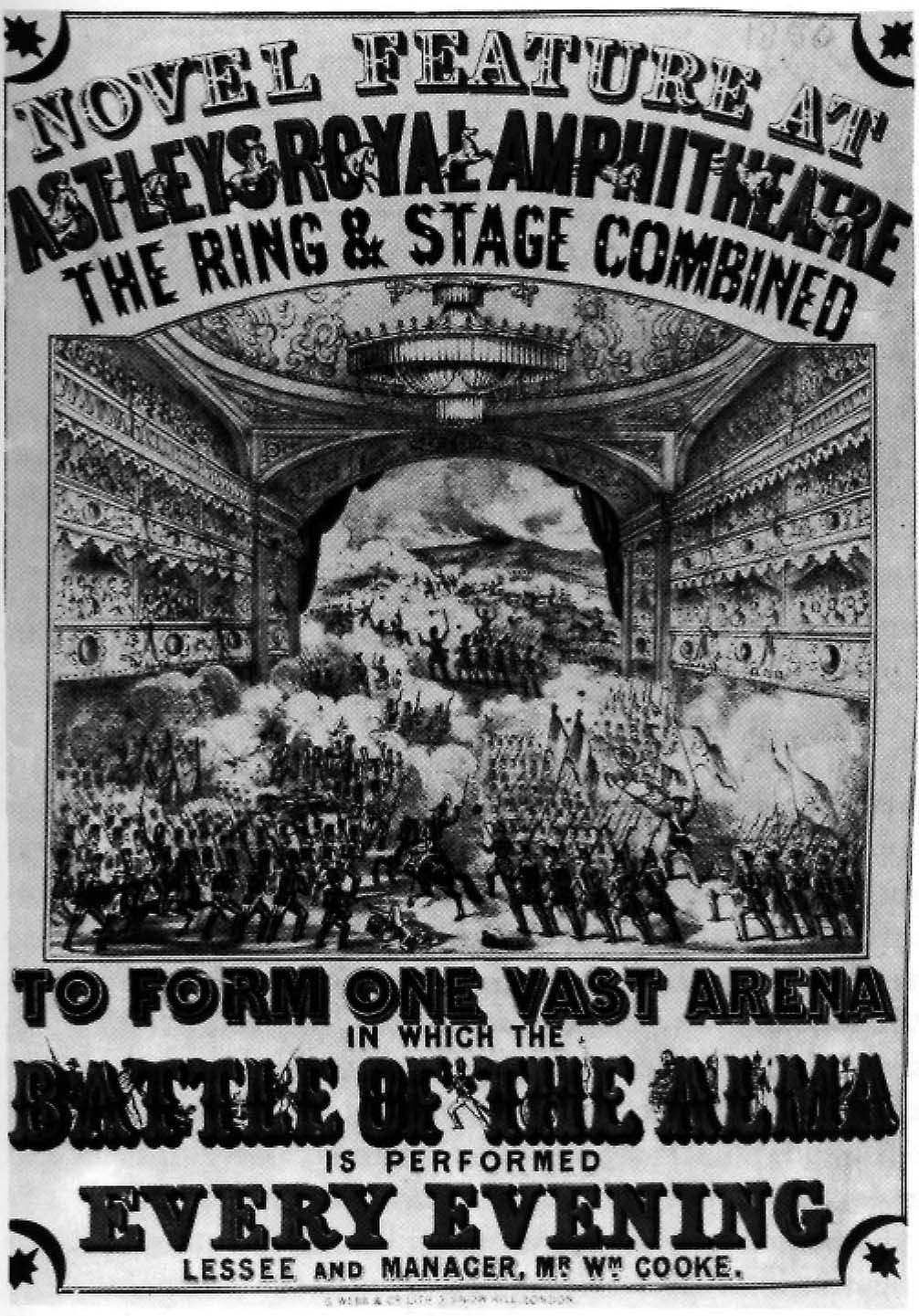
to Sergeant-Major Philip Astley, credited with
creating the first circus in London in the second half of the 19th
century (see note for “Astley’s Ride”). It is
unclear whether the title was originally “Ashley’s Hornpipe” (under which it
appears in the Thomas Hardy manuscript, for example) and later became
associated with the famous equestrian and therefore underwent a slight name
change through association. In print the earliest appearance seems to be in
Thompon’s Compleat Collection of 200
Fashionable Country Dances, vol. 5 (1788, pg. 41). Shropshire fiddler John
Moore had it as “Astley’s Hornpipe” in his 1837-40’s manuscript. George Spencer
(Leeds, Yorkshire) included both titles in his 1831 music manuscript. Fiddler,
poet and writer John Clare (1793-1864, of Helpstone, East Midlands) had two
versions in his music manuscript, both under the titles “Ashley’s Hornpipe” and
“Asley’s Hornpipe” (one version generally corresponds to the “Ashley’s
Hornpipe” in the Hardy ms.). Likewise, under the “Ashley’s” title it appears in
the 19th century music manuscripts of G. Huddswell (Yorkshire) and
William Mittell (Kent). Seamus Connolly remarks that he first heard “Astley’s
Hornpipe” on a Irish radio broadcast of Seán Ó Murchú’s Céilí House program of the Eamonn Ceannt Céilí Band from Dublin, regularly
featured on the program. Connolly says they had a penchant for playing tunes
that were seldom heard.
***
Sources for notated versions: a c.
1837-1840 MS by Shropshire musician John Moore [Ashman]; copied from Wilson’s Companion to the Ballroom (1816)
[O’Neill]; a c. 1847 music manuscript by Ellis Knowles, a musician from
Radcliffe, Lancashire, England [Plain Brown]. Ashman (The Ironbridge Hornpipe), 1991; No. 67,
pg. 27 (appears as "Astley's Hornpipe). Connolly & Martin (Forget Me Not), 2002; pgs. 12-13.
Loughran & Gammon (A Sussex Tune Book), 1982; No. 1. Kerr (Merry Melodies), vol. 1; pg. 42 (appears
as "Hornpipe"). O’Neill (Waifs
and Strays of Gaelic Melody), 1922; No. 332. Plain Brown Tune Book,
1997; pg. 42 (appears as an untitled hornpipe). Trim (Thomas Hardy), 1990; No. 3. Big Chain
BC103, Cooper & Bolton – “The Savage Hornpipe” (2006).
X:1
T:Astley's Hornpipe
M:4/4
L:1/8
S:Wilson's Companion to the Ballroom 1816
Z:Paul Kinder
R:Hornpipe
K:G
GABc dcBd|gfge e2 d2|BdBG cecA|BdBG GFED|
GABc dcBd|gfge e2 d2|BdBG cecA|G2 F2 G2 z2:|
|:defg fafd|gbge fafd|defg a2 c2|BdBG GFED|
BdBG
cecA|fafd gbge|dgfe dcBA|G2 F2 G2 z2:||
ASTLEY'S RIDE. AKA and see "Astley's (Hornpipe),"
"Drumley's Ride," "Ashley's Ride," "Leslie's Hornpipe." English,
Country Dance (2/4 time) or Hornpipe. D Major (Huntington, Kennedy, Raven): C
Major (Harding’s). Standard tuning. AABB.
***
Philip Astley was one of the remarkable personages of the 18th century, credited with founding the modern circus. Born the song of a cabinet maker from Newcastle-Under-Lyme, Astley early on developed a fascination with horses. At the age of seventeen he borrowed a horse and joined the 15th Dragoons as a rough rider and horse-breaker and was soon sent overseas with the unit to serve under the King of Prussia. Astley proved to be independent and resourceful, and aquired a reputation for bravery on and off the battlefield (he was also said to have been a sturdy six feet tall with a booming voice). He enhanced his career by saving the life of the wounded Duke of Brunswick and when he was discharged from the cavalry in 1768 he was given the regimental commander’s white charger, Gibralter, as a leaving present.
***
Still a young man, Astley’s ambition next was to start a riding school, although he lacked the funds to go into business directly by himself. He started by securing a position as a horse breaker with a riding school master in the fashionable resort of Islington (which featured tea gardens and other amusements). This and simlar resorts provided recreation for the well-to-do and attracted many riding masters who provided public entertainment with demonstrations of skill in order to build up a clientele. It was at Islington that Astley met and married an accomplished horsewomen, whose name is only known to us as “Petsy.” Luck was the vehicle for his next career move, however, when he found a diamond ring on Westminster Bridge. The item brought him £60, with which he bought a second horse, and he and Petsy began to give unlicensed open-air equestrian displays at Glover’s “Halfpenny Hatch” field in Lambeth. The hat was passed at every performance. Luck again smiled on Astley when he helped King George III subdue a spirited horse, again near Westminster Bridge, earning a reward of a performing license.
***
Only a year or two after his discharge from the military Astley was in a position launch his career. He purchased land close to his lucky Westminster Bridge and constructed a roped-off enclosure that he surrounded with stands, later adding a canvas roof. Those wishing to be entertained at his “Royal Grove,” as he called it, could sit in the stands or, for a lesser amount, secure a standing space. Astley hired a drummer-boy to accompany his act, to add punctuation to his tricks. His main inspiration of his early period, however, was to realize that a circular ring rather than a straight list would allow his audience consistently better viewing and a more cohesive, flowing performance, and, in addition, a larger audience could be accommodated. Best of all, Astley discovered performing in a circular ring generated centrifugal force, a fact Astley quickly capitalized on in his routines. Through experimentation, he discovered the optimum diameter for the performance ring was forty-two feet.
***
In 1777 Astley expanded his equestrian show to include a strongman, Signor Colpi, and by 1780 had employed two clowns but the name of Fortunelly and Burt, and a number of acrobats who performed rope-vaulting tricks. He hired other noted equestrians, Miller, Griffin and Jones, but it was Astley who was the artistic creator and director of the show.
***
The title of the melody, “Astley’s Ride,” refers to yet another innovation by this talented performer. Although he was judged to be the greatest horseman of his age, Astley was not prideful, and was able to poke fun at himself in his art. He developed an act, a clown act called Billy Buttons, or The Tailor’s Ride to Brentford, based on the popular tale of a tailor with rather poor riding skills, who attempts to ride a horse to Brentford to vote in an election. The tailor, acting the buffoon, has difficulty in mounting, then falls off the horse when it starts up at a fast pace. The Billy Buttons act became an institution at Astley’s circus (though Astley had other of his performers learn the act after a time), and indeed it survived for a century as an integral part of circus offerings.
***
Astley’s luck did stumble at times. His Royal Grove burned in 1794, was rebuilt (as “Astley’s Royal Ampitheatre”) and burned again in 1803 followed by yet another rebuilding. In 1782 a former member of Astley’s company, Charles Hughes, struck out on his own with “The Royal Circus,” much to the discomfort of his old employer, but Astley was at the same time opening a venue in Paris for his brand of entertainment.
***
When the antiquarian Jean-Baptiste Malchair was in Oxford in
1789 he noted the melody from street musicians playing on “Flute a bec and
Tambour.” “Astley’s Ride” also appears in the (writer Thomas) Hardy family
music manuscripts. The second
strain of the Pennsylvania collected "Frank Keeney" appears in in
this tune. Harding's All Round Collection,
1905; No. 2, pg. 1 (Hornpipe). Huntington (William
Litten's), 1977; pg 23 (appears as "Ashley's Ride"). Kennedy (Fiddlers Tune Book), vol. 2, 1954; pg.
26. Raven (English Country Dance Tunes),
1984; pg. 145. North Star Records NS0038, "The
Village Green: Dance Music of Old Strubridge Village."
X:1
T:Astley’s
Ride
M:2/4
L:1/8
K:D
|: (a/f/) |
dd dc/d/ | ee e(f/e/) | d/c/B/A/ Bc | d/e/f/g/ a/g/f/e/ | dd d(c/d/) |
ee e(f/e/)
| d/c/B/A/ Bc | (d2 d) :: A | ff f(e/f/) | gg g(b/g/) | ee e(d/e/) |
ff f/g/a/f/
| dd dc/d/ | ee ef/e/ | d/c/B/A/ Bc | (d2 d) :|
ASTOREEN MACHREE (O Treasure of my heart). AKA and see “(A) Stoir Mo Chroi [1].”
ASTRONAUT’S BREAKDOWN. Canadian, Reel. Composed by
Sarnia, southwestern Ontario, fiddler John(ny) Durocher (1934-1989); one of several
tunes he composed in honor of the c. 60’s-70’s space program. Durocher was born
the youngest of sixteen children, to a modest family of few resources. He quit
school in his young teens to help make family ends meet and remained a factory
worker for most of his life, not even possessing a drivers license. John came
to fiddling when he found a broken fiddle in the trash one day and asked the
owner for permission to retrieve it; with some repair work he had his first
instrument. A few lessons from a local teacher (which served to teach him how
to read and write music), were all the formal music education John received. He
was a prolific composer of fiddle tunes, however, and named them for sports and
current events, family and friends and topics of his day, explains Ritchie.
Durocher’s music was picked up by radio fiddler Don Messer, who included many
of his tunes in his broadcasts and printed collections, helping Durocher to
become quite influential in the Ontario scene for his over 400 compositions. [For
more see Ron Ritchie, “John Durocher: A Gifted Composer,” Fiddler Magazine, vol. 12, No. 2, Summer 2005, pgs. 25-27].
ASTROPE WELLS THE NEW
WAY.
See “Merry Making [2],” “Why Did You Promise to Marry.”
AT A GEORGIA CAMP
MEETING. AKA and see "Georgia Camp Meeting."
AT
CLOONE CHURCH GATE THE FIGHT BEGAN. Irish, Air (6/8 time). G Dorian.
Standard tuning. One part. "Cloone in County Leitrim, near Mohill. This
tune has much in common with Grainne
Waile" (Joyce). Joyce (Old Irish
Folk Music and Song), 1909; No. 639, pg. 324.
AT HOME WAD I BE. Northumbrian. Title appears in Henry Robson's list of popular
Northumbrian song and dance tunes, which he wrote c. 1800.
AT LENGTH I CROSSED
THE FERRY. Irish, Air (2/4 time). Ireland,
“From Bondsglen, County Derry.” E Flat Major. Standard tuning. One part.
Stanford/Petrie (Complete Collection),
1905; No. 289, pg. 72.
AT THE BEND IN THE
ROAD. Irish, Slide. D Major. Standard
tuning. AA’B. Source for notated version: set dance music recorded at Na
Píobairí Uilleann, mid-1980’s [Taylor]. Taylor (Music for the Sets: Yellow Book), 1995; pg. 35.
AT THE MID-HOUR OF
NIGHT. Irish, Air. The title is from a
song by Thomas Moore to the air "O Molly
My Dear" (O Maire Dhilis).
AT MIDNIGHT HOUR. AKA and see "On a
Dark and Lonely Road." Irish, Slow Air (4/4 time). A Minor. Standard
tuning. AB. Source for notated version: Chicago Police Sergeant and fiddler
James O’Neill, originally from County Down [O’Neill]. O'Neill (Music of
Ireland: 1850 Melodies), 1903/1979; No. 41, pg. 8.
X:1
T:At Midnight Hour
M:C
L:1/8
R:Air
S:O’Neill – Music of Ireland
(1903), No. 41
Z:AK/Fiddler’s Companion
K:Amin
A | (AEAB) (cded) | (cAB{d}c) A3B | (cde^f)
(^gaea) | c’c’ba (be)(ed) | (cg)(BA) G3 (A/B/) |
(ca)(ag) (ef)(de) | (cA)(B>A) A2
z || A | GGcd e(.A.A.A) | EAcB A3 A | G2 (B>c) (dg)(dc) |
~(BA)E^F G3G | A2 (c>B) A3E | c2
(d>e) d3d | (ea)(ae) (fd)(ed) | c2 (B>A) A3 ||
AT THE BROW OF A HILL. English, Air (3/4 time). G
Major. Standard tuning. One part. Perhaps a ballad opera song. Geoghegan (Compleat Tutor for the Pastoral or New
Bagpipes), c. 1745-46; pg. 27.
X:1
T:At the Brow of a Hill
M:3/4
L:1/8
R:Air
S:Geoghegan – Compleat Tutor for the Pastoral or New Bagpipes (c. 1745-46)
Z:AK/Fiddler’s Companion
K:G
ef | {e/f/}g2 fedc | {c}B3c d2 |
{c/d/}e2G2G2 | “tr”G4cB | {B}A4Bc2 | de f2e2 | fagedc |
d4 Bc | d2”tr”d3 e/^f/ | g2d2e2 |
{e}d2 cB AG | A4 Bc | {B/c/}d2 cBAG | g2G2G2 |
AedBcA | G4Bd | g2fe de/f/ | edcdef
| gfedc_B | {_B}A4 fg | afdagf | gec2G2 | AfedcB | c4 ||
AT THE FAIR [1]. English?, Contra Dance (2/4 time). C Major. Standard. AABB. Hardings All Round Collection, 1905, No.
42, pg. 12‑13.
X:1
T:At the Fair [1]
M:2/4
L:1/8
R:”Contra Dance”
S:Harding’s All Round Collection (1905)
Z:AK/Fiddler’s Companion
K:C
Gc ce | d/c/d/e/ Ac | Bc c/d/e/f/ |
geeg | a>b a/g/f/e/ | f/e/d/c/ Ac | Gc c/B/c/d/ | eccz :|
|: e/f/ | geae | gee e/f/ | ge c’e |
g/a/g/e/ gg | a>b a/g/f/e/ | f/e/d/c/ Ac | Gc c/B/c/d/ | ecc :|
AT THE FAIR [2]. English? Reel. C Major. Standard tuning. AABB'. Hardings All Round Collection, 1905; No. 102, pg. 32.
X:1
T:At the Fair [2]
M:2/4
L:1/8
R:Reel
S:Harding’s All Round Collection (1905)
Z:AK/Fiddler’s Companion
K:C
ce/c/ ge/c/ | ce/c/ B/c/d/e/ ce/c/
gf/e/ | f/e/d/c/ B/c/d/e/ :| ce/c/ Be/B/ |
Ac/A/ GA/G/ | FG/F/ E/G/c/e/ |
d/A/B/c/ e/d/B/G/ | ce/c/ B/B/e/B/ |
Ac/A/ GA/G/ | FG/F/ E/G/c/e/ |1
A/d/B/G/ cG :|2 A/d/B/G/ cz ||
AT THE SIDE OF THE
ROAD. AKA and see "Lannigan's Ball."
AT
THE TREE I SHALL SUFFER WITH PLEASURE. AKA and see "When first I laid siege
to my Chloris." English, Air. The air appears in D'Urfey's Beggar's Opera of 1729. The original
words of the song ("When first I laid siege to my Chloris") are by
Sir Charles Sedley. The air appears in D’Urfey’s Pills to Purge Melancholy (vol. VI, 1720).
AT THE YELLOW BOREEN. AKA and see "Little
Yellow Road."
AT WINCHESTER WAS A
WEDDING. AKA and see "The King's Jig [1]."
ATA DUIM AN OIR. AKA and see "The Golden Pass."
ATA NA MUILLTE AG
MEILT. AKA and see "The Mills are Grinding."
ATA SEAGANIN IMTIGTE
GO DON FRAINNC. AKA and see "Johnny Has Gone to France."
ATAIREACHD ARD, AN. Scottish, Slow Air or Lament (3/4 time). G Major. Standard. One part. A
relatively rare major-mode lament composed by Donald McIver. Martin (Ceol na Fidhle, Vol. 3), 1988; pg. 21.
ATHENS. AKA and see "Victor Wild,"
"The Clogher Reel," "The Union Reel," "The Westmeath Hunt," "The Twelve Locks." See also "The Shuffle Reel," "Miss Daly's Reel," "The Twister," "The Dublin Lasses [3]," "The Dublin Reel," "Jackson's Reel [2]."
ATHLONE BRIDGE, THE. Irish, Hornpipe. E Flat Major. Standard tuning. AABB. Mulvihill (1st Collection), 1986; No. 5,
pg. 88.
ATHLONE HORNPIPE, THE. AKA and see “Paddy O’Brien’s Hornpipe [1],”
“The Tara Brooch,” “The Western Hornpipe.” Irish, Hornpipe.
Source for notated version: M. Reilly [Bulmer & Sharpley]. Bulmer &
Sharpley (Music from Ireland), 1974,
vol. 1, No. 70.
ATHOL... See
also "Athole" or "Atholl."
ATHOL HIGHLANDERS JIG. See "The Atholl Highlanders."
ATHOL(E) BRAES. See "Atholl Braes."
ATHOLE AND BREADALBANE
GATHERING, THE. Scottish, March (2/4 time). A
Major. Standard tuning. AABBCCDD. Composed by W. Ferguson. Martin (Ceol na Fidhle), vol. 4, 1991; pg. 36.
ATHOLE BROSE. AKA and see "Buckingham
House,” “The Dogs Amongst
the Bushes,” "Niel Gow's Favorite.”
Scottish, Canadian; Reel or Strathspey. Canada; Prince Edward Island, Cape
Breton. D Mixolydian or D Mixolydian/Major (Cranford/Holland, Dunlay &
Greenberg, Jones, Perlman): A Minor (‘A’ and ‘C’ parts) & A Major (‘B’
part) {Skinner}. Standard tuning. AB (Cranford/Holland): ABB (Jones, Skye):
AABB (Gow, Kerr): AA'BB (Athole): AA’BB’ (Perlman): AABBCC (Skinner).
"Athole Brose is, according to one recipe, a drink made from the water in
which oatmeal has been soaked, mixed with honey and whisky. Stirred with a silver
spoon, it is bottled and kept until needed" (Alburger, 1983). Alburger
(1983) and Collinson (1966) credit composition to Abraham MacIntosh {b. 1769} (whose
father was Robert 'Red Rob' Macintosh,
also a fiddler and composer of notable ability), who first published it under
the title "Buckingham House," first appearing in his father's A Third Book of Sixty-Eight New Reels and
Strathspeys: Also above forty old Famous Reels (Edinburgh, 1796) where it
is credited to “Mackintosh Junior”. Glen (1891) and Emmerson (1971) remark that such belief is largely based
on an ascription to 'Mackintosh, junior' in his father's third book, though it
could refer to Abraham's brother Robert (though the latter did not publish any
collection). Since the sub‑title was "Niel Gow's Favourite," and it
appears in Gow’s Third Collection of
Strathspey Reels (
***
You've surely heard o' the famous Niel,
The man that played the fiddle weel;
I wat he was a canty chiel,
And aye sin' he wore tartan hose,
He dearly lo'ed the Athole Brose;
And wae was he, yu may suppose,
To bed 'farewell to whisky', O.
***
Cape Breton fiddlers play it as a
strathspey in the key of D, where it is often the vehicle for stepdancing. It
is also often the practice on the island to play the reel “General Stewart” (AKA “Lady Muir MacKenzie”) following
it (Dunlay & Greenberg, 1996). Cape Breton fiddler Jackie Dunn, in her
thesis “Tha Bals na Gaidhlig air a h-Uile Fidhleir” (The Sound of Gaelic is in
the Fiddler’s Music), 1991, remarks that there is known to have been Gaelic
words to “Athole Brose.” In
|
See also listings at: Alan Snyder’s Cape Breton Fiddle
Recording Index Jane Keefer’s Folk
Music Index: An Index to Recorded Sources Alan Ng’s Irishtune.info |
X:1
T:Athole Brose
M:C|
L:1/8
R:Strathspey
B:Stewart-Robertson – The
Athole Collection (1884)
Z:AK/Fiddler’s Companion
K:D
A|:F>D D/D/D A,>DD>G|F>D D/D/D G<B A>G|1 F>D D/D/D A,<D D>=F|
E/=F/G C>E c>GE>G:|2 F>D D/D/D A,<D D>=F|E/=F/G C>E c<G E>C||
|:D<d d>c d>ed>c|A<d d>e =f>de>c|dd=f>d e>df>d|=c>dc>G E<C G>E:|
X:2
T:Athole Brose
M:C
L:1/8
R:Strathspey
C:Abraham MacIntosh (1769-?)
S:Skinner – Harp and Claymore (1904)
Z:AK/Fiddler’s Companion
K:Amin
e |: c>A A/A/A EAAB | c>A
A/A/A d/e/f ed | c>A A/A/A EAAc | B/c/d Gd gdBd :|
K:A
c>A A/A/A E>AA>d | c>A
A/A/A ({^g}a>)e f>d | c>A A/A/A E>AA>c | (B/c/d) =G>f
({f}=g>)dB<d :|
K:Amin
E<(aa>)g a>ba>g |
e<(aa>)b c’>ab>^g | a>bc’a bgaf | ({G,/D/B/}g>)ed<g
B<Gd>B :|
X:3
T:Athole Brose, or Niel Gow’s
Favorite Strathspey
M:C
L:1/8
R:Strathspey
B:Gow – 3rd Collection of Niel Gow’s Reels, 3rd ed.,
pgs. 22-23 (orig. 1792)
Z:AK/Fiddler’s Companion
K:Dmix
A|F>D D/D/D A,DDG|F>D D/D/D (G/A/B) AG|F>D D/D/D A,DD=F|1
(3E=FG CE cGEG:|2
(3E=FG CE cGEC||:Dd”tr”d>c
dedc|Ad(d>e) =fdec|d<d=fd ecfd|(c>dc>)G ECGE||
ATHOLE CUMMERS [1], THE. AKA and see "Bog an Lochan," “Lady Grant of Grant.” Scottish,
Strathspey. E Minor. Standard tuning. AABBCCDD (Bremner): AABBCDD (Macintosh/Johnson):
AABBCDD' (Kerr): AA'BB'CD (Athole). The title first appears in Bremner's 1757 collection (pg. 78),
according to Glen. Athole (or Atholl) derives from the Gaelic ath Fodla, generally translated as New
Ireland, and stems from the first invasion of the northern land by the Irish
tribe the Scots in the 7th century (Matthews, 1972). The Scottish
dialect word 'cummer' probably refers to a girl or woman, the title then
meaning 'Athole Lasses'. It has been suggested that 'cummer' was derived from
the Old French word 'commere', which itself is probably an elided form of
'comme mere', which translates as "like mother.” Bremner (Scots Reels), 1757; pg. 78. S. Johnson
(A Twenty Year Anniversary Collection),
2003; pg. 35. Kerr (Merry Melodies), vol. 1; 4th Set, No. 3,
pg. 5. Robert Macintosh (Fourth Book of
New Strathspey Reels), 1804; pg. 35. McGlashan (Collection of Strathspey Reels), c. 1780/81; pg. 10. Stewart-Robertson
(The Athole Collection), 1884; pg.
252.
X:1
T:Athole Cummers [1]
M:C
L:1/8
R:Strathspey
B:Stewart-Robertson – The
Athole Collection (1884)
Z:AK/Fiddler’s Companion
K:Emin
F|:E/E/E ~E2 E>FB>F|E/E/E ~E2 F<D A>F|E/E/E ~E2 D>FB>A|1 B<d A>d F>DA>F:|2 B<dA<d F<D D>d||
|:B<E B>A B<E E>e|B<E B>A F<D D>d|B<E B>A d>ef>e|1 d/^c/B/A/ d>A F<D D>d:|2 d/^c/B/A/ d>A F<D D>f||
e/e/e e2 d>fb>f|e/e/e e2 f>da>f|e/e/e d2 d>fb>f|g<eb<e df/g/ a>f|g>eb>e g<e b>e|g<e b>e df/g/ a<f|
g<eb<e d>ef>e|d/^c/B/A/ d>A F<DD<d||B<E B>A B<E E>e|B<E B>A F<D D>d|B<E B>A d>ef>e|
d/^c/B/A/ d>A F<D D>d|B<E B>A B<E E>e|B<E B>A F<D D>d|B<E B>A d>ef>e|d/^c/B/A/ dA F>DD||
ATHOLE CUMMERS [2], THE. Scottish, Highland Schottische. A Mixolydian.
Standard tuning. AABB. Kerr (Merry
Melodies), vol. 3; No. 208, pg. 24.
X:1
T:Athole Cummers, The [2]
M:C
L:1/8
R:Highland Schottische
S:Kerr – Merry Melodies, vol. 3, No. 208
(c. 1880’s)
Z:AK/Fiddler’s Companion
K:Amin
A/A/A A>ce>c A/A/A
B>Gd>B|A/A/A A>ce>c|e<g d<g B>Gd>B:|
|:e<A e>d e<A A<a|e<A
e>d B<G G<g|e>Ae>d g>ab>a|g/^f/e/d/ g>d B<G G<g:|
ATHOLE HIGHLANDER'S FAREWELL TO LOCH KATRINE, THE. AKA – “Atholl Highlanders March to
Loch Katrine.” AKA and see "The Heids
o Vigon" (Shetland). Scottish, March. A Major/Mixolydian. Standard
tuning. AAB (Skinner): AABB (Brody): AABCCD (Hunter): AABCCDD’ (Martin).
Composed by William Rose, this march has become one of the most popular and
recognized Scottish pipe marches. Loch Katrine and the surrounding area is
called the Trossachs, and it was this picturesque setting that was Sir Walter
Scott’s inspiration for his poem “Lady of the Lake.” Reputedly, the Loch
derived its name from the Gaelic word cateran, meaning a freebooter or
robber. The MacGregors have a clan graveyard at one end of the ten-mile long
lake, and Rob Roy MacGregor was born at nearby Glengyle House. An island in the
middle of the loch was employed to secret away cattle they had stolen on forays
to the lowlands, although the numerous glens and lochs in the area served the
same purpose. The Athole Highlanders were raised in 1778 by the Duke of Athole
for the purpose of serving the British in the colonies during the American
Revolution. They were instead posted to Ireland for the duration. Expecting to
be disbanded after that time, the government attempted to post the regiment to
the East Indies, which did not go well with the homesick Highlanders, who
invoked a successful mutiny. In 1783 the men were marched to Berwick, Scotland,
and there disbanded. The unit survived as the personal army of the Duke.
Christine Martin (2002) says the tune could be employed as a vehicle for a
Canadian Barn Dance if played at a slightly faster tempo. Brody (Fiddler’s Fakebook), 1983; pg. 27.
Hunter (Fiddle Music of Scotland),
1988; No. 346. Martin (Ceol na Fidhle,
vol. 3), 1988; pg. 30. Martin (Traditional
Scottish Fiddling), 2002; pg. 68. Skinner (Harp and Claymore), 1904; pg. 46 (includes variation sets). Skinner
(The Scottish Violinist), pg. 32. Greentrax CDTRAX, Donald MacDonell (1888-1967) - “Scottish
Tradition 9: The Fiddler and his Art” (1993. Appears as “Atholl Highlander’s
March to Loch Katrine”). Rounder 7006, Theresa and Marie Maclellan‑
"A Trip to Mabou Ridge." Topic 12T280, J. Scott Skinner‑
"The Strathspey King" (first tune of 'Bagpipe Marches' and third tune
of 'Cradle Song' medleys).
|
See also listings at: Alan Snyder’s Cape Breton Fiddle
Recording Index Jane Keefer’s Folk Music Index: An
Index to Recorded Sources |
X:1
T:Athole Highlanders Farewell to
Loch Katrine, The
M:2/4
L:1/8
R:March
S:Skinner – The Scottish
Violinist
Z:AK/Fiddler’s Companion
K:A Mixolydian
a/f | {f}(ec/A/) (e/A/c/A/) |
A/B/c/d/ ea/f/ | {f/|(ec/A/) (e/A/c/A/) | G/A/B/c/ (d{g/}f) |
{f}(ec/A/) (e/A/c/A/) | (f/a/d/f/)
{f}(ec/A/) | {d}c/B/c/a/ e/f/e/A/ | {A}cAA :| (3e/f/=g/ |
a2 (ea) | (Aa) (ec/A/) | {f}=g2 (dg)
| (Bg) (dB/G/) | {^g}a2 (ea) | (df) (ec/A/) |
{d}c/B/c/a/ e/f/e/A/ | {A/B/}cAA
(3e/f/g/ | {g}a2 (.ea) | (ca) (ec/A/) | {f}g2 (dg) |
(Bg) (dB/G/) | A/B/c/d/ e/f/e/c/ |
f/a/d/f/ {f}(ec/A/) | {d}c/B/c/a/ e/f/e/A/ | {A}cAA ||
“variations”
{g}a | (A/<A/c/A/ e/A/c/e/) |
(a/e/c/e/ A{f}g) | (G/<G/B/G/ d/G/B/d/) | (g/d/G/d/ G{f}e) |
(A/<A/c/A/ e/A/c/e/) | (a/f/d/f/
{f}ec/A/) | {d}(c/B/c/a/ e/f/e/A/ ) |
{A}cAA :|
(3e/f/g/ | a/g/a/e/ c/e/A/e/ | a/e/A/F/
“tr”a(g/f/) | g/f/g/d/ B/d/G/d/ | g/d/B/G/ “tr”g(f/g/) |
a/g/a/e/ c/e/A/e/ | f/a/d/f/
{f}ec/A/ | {d}c/B/c/a/ e/f/e/A/ | {A}cAA (3e/f/g/ |
a/g/a/e/ c/e/A/e/ | a/e/c/A/ a(g/f/)
| g/f/g/d/ B/d/G/d/ | g/d/B/G/ gB/G/ |
A/B/c/d/ e/f/e/c/ | f/a/d/f/ {f}eC/A/
| {d}c/B/c/a/ e/f/e/A/ | {A}cAA ||
ATHOL(L) HOUSE. AKA - “Athole House.” Scottish, Reel. F Major.
Standard tuning. AB (Surenne): AAB (most versions). One of the most famous
compositions of Edingburgh music teacher Daniel (or perhaps Donald) Dow (c.
1783). Little is known about Dow, who was born in Kirkmichael, Perthshire, but
"his compositions were highly esteemed in their time and still live"
(Emmerson, 1971). The tune was originally published as a country dance in the Edinburgh Magazine and Review in 1773.
Originally printed without dotted rhythms, the Gows later added them in places
to change the tune to a strathspey (Alburger says this may illustrate Niel
Gow's up‑driven bowing style). The piece first appears published by Dow
(pg. 1) in his c. 1775 collection.
***
Athole (or Atholl) House was the seat of the Duke of Atholl, who in the
mid-18th century was the first patron of the famous Scots fiddler and composer
Niel Gow, who besides his noted skill on his instrument, also possessed an earthy
frankness and who was not intimidated by social standing. On one occasion when
he was playing for dancing at Atholl, a portion of the invited party lingered
in the ballroom, loath to forsake the dancing. Gow, not impressed with the
fashionable indifference to the waiting supper, soon became exasperated and
called out to the remaining crowd: “Gang doun to your supper, ye daft limmers,
and dinna hand me reelin’ here, as if hunger and drouth were unkent i’ the
land--a’body can naethin’ done for you!” The name Athole (or Atholl) derives
from the Gaelic ath Fodla, generally
translated as New Ireland, and stems from the first invasion of the northern
land by the Irish tribe the Scots in the 7th century (Matthews,
1972).
***
Alburger (Scottish Fiddlers and Their
Music), 1983; Ex. 60, pg. 97. Glen (The
Glen Collection of Scottish Dance Music), Vol. II, 1895; pg. 25. Gow (Complete Repository), Part 1, 1799; pg.
31. MacDonald (The Skye Collection),
1887; pg. 151. McGlashan (A Collection of Reels), c. 1786; pg. 27.
Stewart-Robertson (The Athole Collection),
1884; pg. 211. Surenne (Dance Music of
Scotland), 1852; pg. 69.
X:1
T:Athole House
M:C|
L:1/8
R:Reel
B:Stewart-Robertson
– The Athole Collection
(1884)
Z:AK/Fiddler’s Companion
K:F
f|cFAF cF d/c/B/A/|cFAF EGGf|cFAF cAfc|d/c/B/A/ cC DFF:|
c|~f2 a/g/f/e/ fcAc|Fc d/c/B/A/ BGGc|~f2 a/g/f/e/ fcAc|d/e/f e/f/g cf~fc|
fcaf ecbg|afcf eggb|afcf dBGB|AFcC DF~F||
X:2
T:Athole House
S:Petrie's Second
Collection of Strathspey Reels and Country Dances &c.
Z:Steve Wyrick
<sjwyrick'at'astound'dot'net>,
N:Petrie's Second
Collection, page 7
% Gore's Index gives earliest
publication as Daniel Dow's "20 minuets
% and 16 reels or C.D.s
for the Vn., Hchd., or G.Fl.",1773
L:1/8
M:C
R:Reel
K:F
f|cFAF cF
(d/c/B/A/)|cFAF (EGGf)|cFAF cAfc|d/c/B/A/ cC DFF:|
c|f2 (a/g/f) fcAc |Fc
d/c/B/A/ (BGGe)|f2 (a/g/f/e/) fcAc|dfeg (cffc)|
fcaf ecbg |afcf
(eggb)|afcf dBGB|AFcC DFF |]
ATHOLE HOUSE. See “Athol(l) House.”
ATHOLE LADS. Scottish, Reel. A Major. Standard tuning. ABB'. McGlashan (A Collection of Reels), c. 1786; pgs. 24-25. Stewart-Robertson
(The Athole Collection), 1884; pg.
12.
X:1
T:Athole Lads, The
M:C|
L:1/8
R:Reel
S:McGlashan – Reels (c. 1786)
Z:AK/Fiddler’s Companion
K:A
e|c2 Ac/d/ ecAB|c2 Ac/d/ ecBd|c2 Ac/d/ ecAa|acA>f ecB>e|c2 Ac/d/ ecAB|
c2 A/c/d/ ecBd|c2 Ac/d/ ecAa|ace>c acBe||c2 Af/g/ acAB|c2 Af/g/ acBd|
c2 Af/g/ acAa|acAf ecBe|c2 Af/g/ acAB|c2 Af/g/ acBd|cAAf efae|faef ceBe||
cA A/A/A e>cAB|cA A/A/A e>CBd|c>A A/A/A e>cAa|AcAf e>cBe|
c>A A/A/A e>cAB|c>A A/A/A ecBd|cAAf efae|faef ceBe||c>A a>a acAB|
cA a>a acBd|c>A a>a acAa|acec acBe|c>A a>a acAB|c>A a>a acBd|
cA aA a>bae|faef ceBe||c<A E>f ecAB|c<A E>f ecBd|c<A E>f ecAa|
acAf ecBe|c<A E>f ecAB|c<A E>f ecBd|c<A E>f efae|faef ceBe||
c<A a>b acAB|c<A ~a>B acBd|c<A a>a a>bae|faef ceBe|c<A ~a>b acAB|
c<A a>b acBd|c<A aA aba>e|fag>e ceBe||
X:2
T:Athole Lads
M:C|
L:1/8
S:Reel
B:Stewart-Robertson – The
Athole Collection (1884)
Z:AK/Fiddler’s Companion
K:A
e/d/|c2 (ef ecAd|c2 (ef ecBd|c2 (ef ecce|fddf ecAd|c2 (ef ecAd|
c2 (ef ecBd|c2 (ef efae|faef ecBd|: cA A/A/A ecAd|cA A/A/A ecBd|1
cA
A/A/A ecce|fddf ecAd:|2 cA A/A/A efae|faef ecBd||
ATHOLE VOLUNTEERS
MARCH. Scottish, March. F Major. Standard tuning.
AAB. Composed by Niel Gow (1727-1806). There is some similarity between this
tune and "Staten Island (Hornpipe)," wrote
Samuel Bayard, although some see it only cursorily. This from George Penny’s Traditions
of Perth, Containing Sketches of the Manners and Customs of the
Inhabitants (1836, pg. 61):
***
An Englishman in a journey through
Athole, one morning, observed a poor fellow running to
the hills as for his life, closely
pursued by half a dozen of human blood hounds. Turing to his
guide, the gentleman anxiously inquired as the meaning of what he saw? “Ou,” replied the
imperturbable Celt, “It’s only the
Duke raising the royal Athole’ volunteers’.” These men were
enlisted for four years, or during
the war. They were under orders for the East Indies, and were to
be immediately embarked at
Portsmouth, where they had arrived, together with some other regiments,
under similar circumstances; when the news of the conclusion of the war was proclaimed. That
moment the troops refused to a man
to go on board, demanding their discharge, in accordance with
the terms of their enlistment. Many
attempts were made to circumvent them, which was the occasion
of a serious mutiny, in which
several lives were lost. Nothing could prevail upon them to embark;
the officers lost all authority, and
durst not be seem amongst them. Instead of being brought back
and disbanded in Perth, the corps
was broke up on the spot, and each man was left to find his way
home the best way he could. From
this circumstance, a dreadful outcry was raised against the Athole
family, and a prejudice existed
amongst the working classes for many years; it being currently
reported that the regiment had been
sold by the Duke to the East India Company.
***
Carlin (The Gow Collection), 1986; No. 584. Gow (Fifth Collection of
Strathspey Reels), 1809; pg. 4. Hunter (The
Fiddle Music of Scotland), 1988; No. 352.
X:1
T:Athole Volunteers March
M:C
L:1/8
R:March
C:Niel Gow (1727-1809)
N:”Pomposo”
B:Gow – Fifth Collection of
Strathspey Reels (1809)
Z:AK/Fiddler’s Companion
K:F
C2 | F2 F>F c2 c>c |
(f>g/2a/4) gf (ed)(cB) | A>F
c>A f>cd>A | ~B2 G>G G2 (c/B/A/G/) |
F2 F>F c2 c>c | (f>g/2a/4)
gf ed c2 | dB b>g a>fg>e | f2 f>f f2 :| (fg/a/) b3g {f/g/}a3f |
(fg/a/) gf (ed)(cB) | A>F c>A
f>cd>A | B2 G>G G2 “tr”f>g | a>gfa g>feg | f>edf ed c2 |
dBb>g a>fg>e | f2 f>f f2
(fg/a/) | b3g {f/g/}a3f | (fg/a/) gf (ed)(cB) | A>F c>A f>cd>A |
B2 G>G G2 (c/B/A/G/) | F2 F>F
c2 c>c | (f>g/2a/4) gf ed ~c2 | dB b>g a>fg>e | f2 f>f f2
||
ATHOLE VOLUNTEERS QUICKSTEP, THE.
Scottish, March (6/8 time). F Major. Standard tuning. AAB. The ‘B’ part
is identical with the ‘B’ part of the Irish jig “The Eavesdropper,” except for the last four
measures. Since the part is a repetition of chord outlines in descending
thirds, however, it may simply be a coincidence and not an imitation. Or not.
Gow (Fifth Collection of Strathspey Reels), 1809; pg. 5.
X:1
T:Athole Volunteers Quickstep, The
M:6/8
L:1/8
R:Quickstep March
C:Niel Gow (1727-1831)
B:Gow – Fifth Collection of
Strathspey Reels (1809)
Z:AK/Fiddler’s Companion
K:F
F|C(.FF) A.(.F.F)|C.F.F f2d|cAF
“tr”E2C|DG[DG] ~[E2G2]A|C(.F.F) A,(.F.F)|CFF f2d|cAF “tr”E2C|D<FF ~F2:||
c|faf gec|~d>ef cAF|~B>cd
cAF|DG[DG] ~[E2G2]c|faf gec|~d>ef cAF|”tr”B>cd cAF|CFE F2 (c/4d/4e/|
faf gec|”tr”d>ef cAF|”tr”B>cd
cAF|DG[DG] ~[D2G2]A|C(.F.F) A,(.F.F)|CFF f2d|cAF “tr”E2C|D<FF ~F2||
ATHOLE'S BONNIE LASSES. Scottish, Reel. G Major. Standard tuning. AAB. Composed by James
Stewart-Robertson, editor of The
Athole Collection. Source for notated version: Winston Fitzgerald
(1914-1987, Cape Breton) [Cranford]. Cranford (Winston Fitzgerald), 1997; No. 167, pg. 66. MacDonald (The Skye Collection), 1887; pg. 96.
Stewart-Robertson (The Athole Collection),
1884; pg. 180.
X:1
T:Athole’s Bonnie Lasses
M:C|
L:1/8
R:Reel
C:James Stewart-Robertson
B:Stewart-Robertson – The
Athole Collection (1884)
K:G
B|G2DG B,G,DB,|A,A,EA, AA,EA|G2DG B,G,DB,|EGFA BGG:|
c|BG B/c/d g2dB|cedB cAAc|BG B/c/d g2 dB|cedc BGGc|
BG B/c/d g2dB|cedB cAAB|GDEG DGB,G|EGFA BGG||
ATHOLE'S HONEST MEN. Scottish, Strathspey. G Major. Standard tuning. AAB. Composed by James Stewart
Robertson, editor of The Athole
Collection, who included 25 of his own compostions along with mostly
traditional tunes. Kerr (Merry Melodies),
vol. 3; No. 37, pg. 7. MacDonald (The
Skye Collection), 1887; pg. 95. Stewart-Robertson (The Athole Collection), 1884; pg. 180.
X:1
T:Athole’s Honest Men
M:C|
L:1/8
R:Reel
C:James Stewart-Robertson
B:Stewart-Robertson – The Athole Collection (1884)
Z:AK/Fiddler’s Companion
K:G
D|G2 D>G D<G, B,>G,|A,<A,C<A, E<A,C<A,|G2 D>E D<C B,>D|(3EFG (3FGA B<GG:|
B|G<G B>d g>dB>G|(3cde (3dcB c>AA>B|G<GB<d g>dB>G|c>ed>B G/G/G G>B|
G<G B>d g>dB>G|(3cde (3dcB c<AA>B|G>DB,>G
(3B,CD (3EFG|(3ABc (3BdA B<GG||
ATHOLIAN HILLS. Scottish. The piece was first published by Dow (pg. 12) in his c. 1775
collection, according to Glen.
ATHOLL BRAE(S). AKA ‑ "Athol Bray." AKA and see "Braes of Athole," "The Pigeon on the Gate [1]."
Scottish, English; Reel. England, Northumberland. G Major. Standard tuning.
AABBCCDD. Not a version of "Athole Brose." Printed in the Drummond Castle Manuscript (sometimes
called Duke of Perth MS because it is inscribed "A Collection of Country
Dances written for the use of his Grace the Duke of Perth by Dav. Young,
1734." In the early 1970's the MS was in the possession of the Earl of Ancaster
at Drummond Castle. Alburger (Scottish
Fiddlers and Their Music), 1983; Ex. 17, pg. 388. Seattle (William Vickers), 1987, Part 2; No. 376.
ATHOLL HIGHLANDERS, THE. AKA ‑ "Athol Highlanders Jig." AKA and see “Duke of Atholl’s March,” "Lord Athlone's March,"
"The Three Sisters [1]"
(Shetland). Scottish (originally), Irish; Pipe March (6/8 time) or Jig.
Scotland, Perthshire. Ireland, Donegal. A Major/Mixolydian (Brody, Hinds,
Martin, Neil, Songer, Sweet): G Major (Kerr). Standard tuning. AABB (Kerr):
AABB' (Neil): AABBCC (Brody): ABCD (Sweet): AABBCCDD (Hinds, Martin, Songer).
The name Athole (or Atholl) derives from the Gaelic ath Fodla, generally translated as New Ireland, and stems from the
first invasion of the northern land by the Irish tribe the Scots in the 7th
century (Matthews, 1972). The tune, described sometimes as a Scottish warpipes
melody, is dedicated to the private army of the Duke of Atholl, the last
private army still legally existing {albeit on a token level} in the British
Isles (Boys of the Lough). Musically, the tune contains a characteristic
melodic cliché in Scottish music in which a figure is followed by the same or a
related figure on the triad one tone below or above (Emmerson, 1971). The
original Athole Highlanders (and the ones associated with the tune) were the old
77th Highland Regiment, raised in 1778 and commanded by Colonel James Murray.
The 77th served in Ireland and was not engaged in active service, though its
garrison services were apparently useful in freeing other units for the
conflicts with America and France. They were disbanded in 1783 after those
conflicts ended (although the disbanding may have come about because of a
mutiny). The tune was later taken up as a march past by the 2nd Battalion of
the Cameronians, the 90th Light Infantry, who over the years had shed their
Scottish origins. However, when pipers were introduced in 1881 they recollected
their Perthshire origins and chose to play “The Atholl Highlanders” (also known
in pipe literature as “The Gathering of the Grahams”). Susan Songer notes that
when played for contra dances once through the tune is twice through a dance.
The tune is associated in modern times with the dance called The Duke of
Gordon’s Reel, so much so that Scottish dance musicians will sometimes call
“Atholl Highlanders” by the name “Duke of Gordon’s Reel” (despite the fact that
“Atholl Highlanders” is a jig). See also the early printing of the tune in
Morison’s
ATKINS POLKA #1. Canadian, Polka. D Major ('A' part)
& A Major ('B' part). Standard. AAB. Messer (Way Down East), 1948; No. 43. Messer (Anthology of Favorite Fiddle Tunes), 1980; No. 87, pg. 60.
X:1
T:Atkin's
Polka No.1
R:Polka
M:2/4
L:1/16
Z:Transcribed
by Bruce Osborne
K:G
A2|ffff
g2f2|f2e2 e^de2|gggg a2g2|g2f2 fef2|
aaaa
b2f2|a2g2 gfe2|AA^GA f2e2|d2d^c d2:|
K:A
|:d2|cde2
c'ae2|cde2 c'ae2|d'2c'2 b2a2|g2f2 e2d2|
cde2 c'ae2|cde2 c'ae2|d'2c'2
b2a2|gefg a2:|
ATKINS POLKA #2. Canadian, Polka. D Major ('A' part) & A Major ('B' part). Standard
tuning. AAB. Messer (Way Down East),
1948; No. 44. Messer (Anthology of Favorite
Fiddle Tunes), 1980; No. 88, pg. 60.
X: 5
T:Atkin's
Polka No.2
R:Polka
M:2/4
L:1/16
Z:Transcribed
by Bruce Osborne
K:D
A2|DFAd
f2d2|d2c2 cBc2|CEGB c2B2|B2A2 A^GA2|
DFAd
f2d2|d2c2 cBc2|CEGB c2c2|d2d2 d2:|
K:A
|:e2|f2e2
c3A|E2A2 c3e|f2e2 c3A|E2A2 c3e|
a2g2
g3a|g2f2 f3a|g2f2 f3g|f2e2 e3e|
f2e2
c3A|D2A2 c3e|f2e2 c3A|E2A2 c3e|
a2g2 g3a|g2f2 f3g|f2e2 B3c|A2c2
A2:|
ATKINS POLKA #3. Canadian, Polka. D Major ('A' and 'B' parts) & A Major ('C' part).
Standard tuning. ABC. Messer (Way Down
East), 1948; No. 45. Messer (Anthology
of Favorite Fiddle Tunes), 1980; No. 89, pg. 60.
X:1
T:Atkin's
Polka No.3
R:Polka
M:2/4
L:1/16
Z:Transcribed
by Bruce Osborne
K:D
B2|A2d2
f3d|d2c2 e3B|A2f2 g3g|f2d2 a3B|
A2d2
f3e|c2c2 e3c|Aceg gecA|d2d2 d2:|
K:A
z2|eee2
fff2|eee2 abc'2|c'b^ab d'2g2|baga c'2a2|
eee2 fff2|eee2 abc'2|c'b^ab
d'2g2|a2a2 a2:|
ATKINS POLKA #4. Canadian, Polka. D Major. Standard tuning. AB. Messer (Way Down East), 1948; No. 46. Messer (Anthology of Favorite Fiddle Tunes),
1980; No. 90, pg. 60.
X:1
T:Atkin's
Polka No.4
R:Polka
M:2/4
L:1/16
Z:Transcribed
by Bruce Osborne
K:D
A2|ffff
f2e2|(3efe d2 A4|cccc c2B2|(3BcB A2 F4|
ffff
f2e2|(3efe d2 A4|cccc c2fe|d2f2 d2:|
|:f2|f2e2
d2F2|(3BcB A2 A4|G2E2 c3c|B2A2 f3f|
f2e2 d2F2|(3BcB A2 A4|G2E2 c3c|d2f2
d2:|
ATKINS POLKA #5. Canadian, Polka. D Major ('A' and 'C' parts) & G Major ('B' parts).
Standard tuning. ABC. Messer (Way Down
East), 1948; No. 47. Messer (Anthology
of Favorite Fiddle Tunes), 1980; No. 91, pg. 61.
X:1
T:Atkin's
Polka No.5
R:Polka
M:2/4
L:1/16
Z:Transcribed
by Bruce Osborne
K:D
A2|a2a2
f2f2|d2d2 A4|f2e2 gfe2|e2d2 fed2|
a2a2
f2f2|d2d2 A4|f2e2 gfe2|d2f2 d2:|
K:G
A2|Bdce
d2f2|Bdce d2f2|f3g a2g2|f2e2 d2c2|
Bdce
d2g2|Bdce d2g2|f3g a2f2|g2g2 g2:|
K:D
z2|A3B
A3G|FAdf a4|gfe2 ede2|fed2 dcd2|
A3B A3G|FAdf a4|gfe2 edc2|d2f2 d2:|
ATLANTA HORNPIPE. AKA and see "Batchelders
(Reel)," "Quigley's Reel."
American, Hornpipe. USA, New England. F Major. Standard tuning. AABB. Cole (1000 Fiddle Tunes), 1940; pg. 109. Ryan’s Mammoth Collection, 1883; pg.
146. Sanella, Balance and Swing
(CDSS). Rounder 0175, James Bryan ‑
"Lookout Blues" (1983).
X:1
T:Atlanta Hornpipe
M:2/4
L:1/8
R:Hornpipe
S:Ryan’s Mammoth Collection (1883)
Z:AK/Fiddler’s Companion
K:F
c | fa/f/ eg/e/ | fcc d/c/ |
d/c/B/A/ B/A/G/F/ | E/F/G/A/ G/E/C/E/ | fa/f/ eg/e/ | fcc d/c/ |
d/c/B/A/ G/F/E/G/ | FFF :: F/A/c/A/
c/A/c/A/ | G/B/d/B/ d/B/d/B/ | F/A/c/A/ c/A/c/A/ |
G/F/E/D/ .C.C | F/A/c/A/ c/A/c/A/ | G/B/d/B/
d/B/d/B/ | A/c/f/a/ b/g/e/g/ | fff :|
ATLANTA SCHOTTISCHE. American, Schottische. Kentucky
fiddler Darley Fulks was one of the few old-time fiddlers from that state to
include schottisches in his repertoire. He did so, he told John Harrod, because
once, when he was in Michigan he was asked to play a schottische and had to
decline because he didn’t know any. To avoid future such embarrassments he
learned several schottisches, including “Atlanta Schottische.” Rounder 0377, Darley Fulks (et al) – “Traditional Fiddle
Music of Kentucky, Vol. 2: Along the Kentucky River” (1997).
ATLANTIC HORNPIPE. AKA and see “Atlantic Roar,” “Atlantic Wave,” “Tuam
na Farraige.”
ATLANTIC POLKA NO. 1. Canadian, Polka. D Major. Standard
tuning. AB. Messer (Way Down East),
1948; No. 48. Messer (Anthology of
Favorite Fiddle Tunes), 1980; No. 92, pg. 61. MCA
Records MCAD 4037, “The Very Best of Don Messer” (1994).
X:1
T:Atlantic
Polka (first change)
R:Polka
M:2/4
L:1/16
Z:Transcribed
by Bruce Osborne
K:D
A2|fdfa
g2c2|e2d2 Add2|f2e2 Acef|g2fg fed2|
fdfa
g2c2|e2d2 Add2|f2e2 gece|d2f2 d2:|
|:z2|A4
F3G|A2fg fed2|g4 e3c|d2fg fed2|
A4 F3G|A2fg fed2|g4 e3c|d2f2 d2:|
ATLANTIC POLKA (Second Change). Canadian, Polka. D Major. Standard tuning. One
part. Messer (Way Down East), 1948;
No. 49. Messer (Anthology of Favorite
Fiddle Tunes), 1980; No. 93, pg. 61. MCA Records
MCAD 4037, “The Very Best of Don Messer” (1994).
X:1
T:Atlantic
Polka (second change)
R:Polka
M:4/4
L:1/8
Z:Transcribed
by Bruce Osborne
K:D
A>d|c2A2
efec|d2A2 f3g|a2g2 edeg|f2d2 A3d|
c2A2
efec|d2A2 f3g|a2A2 B2c2|d6:|
|:A2|f8-|f2g2
f2e2|d2cd e2d2|B6B2|
e6d2|c6c2|B3c
B3c|B2A2 F2D2|
f8-|f2g2
f2e2|d2cd e2d2|B6B2|
e6d2|c6B2|AA2g f2e2|d6:|
ATLANTIC POLKA (Third
Change). Canadian, Polka. D Major. Standard
tuning. AB. Messer (Way Down East),
1948; No. 50. MCA Records MCAD 4037, “The Very Best of
Don Messer” (1994).
X:1
T:Atlantic
Polka (third change)
R:Polka
M:2/4
L:1/16
Z:Transcribed
by Bruce Osborne
K:D
A2|AAFA
f2d2|BABd g2e2|cdec A2Bc|defg a4|
AAFA
f2d2|BABd g2e2|cdec A2Bc|d2f2 d2:|
|:A2|f2a2
f3f|e2g2 B4|cdec A2Bc|ddcB A4|
f2a2 f3f|e2g2 B4|cdec A2Bc|d2f2 d2:|
ATLANTIC POLKA (Fourth
Change). AKA and see "The Winnipeg Reel." D Major. Standard
tuning. AABB. Canadian, Polka. Messer (Way
Down East), 1948; No. 51. MCA Records MCAD 4037,
“The Very Best of Don Messer” (1994).
ATLANTIC POLKA (Fifth
Change). AKA and see "Turkey in the Straw." Canadian,
Polka. D Major. Standard tuning. AABB. Messer (Way Down East), 1948; No. 52.
ATLANTIC REEL. Canadian, Reel. Canada, Prince Edward Island. G Major. Standard tuning.
AA’BB. Composed by young East Royalty, Queens County, Prince Edward Island,
fiddler Richard Wood (b. 1978). Source for notated version: Richard Wood
[Perlman]. Perlman (The Fiddle Music of
Prince Edward Island), 1996; pg. 59.
ATLANTIC ROAR, THE (Tuam na Farraige). AKA and see “Atlantic Hornpipe,” “Atlantic
Wave,” “Tuam na Farraige.” Irish, Hornpipe.
Ireland, County Donegal. G Major. Standard tuning. ABB (Feldman &
O’Doherty): AABB (Kennedy). A
ATLANTIC WAVE, THE (Tonn an Atlantaigh). AKA and see "The Atlantic Hornpipe," “Atlantic
Roar,” “Lad O’Beirne’s Favorite,”
"Tuam na Farraige." Irish,
Reel. G Major. Standard tuning. AABB (Breathnach, Mulvihill): AA’BB’
(O’Malley). Composition credited to Martin Muhaire in publisher Mel Bay’s Irish Session Tune Book. Some
similarities to “Buckley’s Fancy” in Ryan’s Mammoth Collection (1883).
Sources for notated versions: Gus Collins (
|
See also listing at: Alan Ng’s Irishtune.info |
X:1
T:Atlantic Wave, The
M:4/4
L:1/8
R:reel
Z:Transcribed Jeffrey Myers, from
the playing of Billy McComiskey
K:G
(3DEF|G3 B d3B|cBcd efge|d2 BG dGBG|FDAD
BDAD|G3 B d3 B|
cBcd efge|d2 (3gfe dcBA|(3GAG FA
G2:|
|:(3Bcd|gfgd ed^ce|dfab adfa|bagf
gdBG|FDAD BDAD|
G3 B d3 B|cBcd efge|d2(3gfe
dcBA|(3GAG FA G2:|
X: 2
T: Atlantic Wave
M: 4/4
L: 1/8
Q: 350
S: Luke O'Malley vol 1
Z: Transcribed by Bill Black
R: Reel
K: G
(3DEF | G2 BG dGBG | cBcd efge | d2 BG DGBG |
(3FED AD BDAF |
G2 BG dGBG | cBcd efge | dgfg ecAF | G2 GF G2 :|
|: (3def | g2 fg ed^ce | dfab afdf | bagf gdBG |
(3FED AD BDAF |
G2
BG dGBG | cBcd efge | dgfg ecAF | G2 GF G2 :|
ATTENTION,
C'EST MON COEUR QUI VA CASSER (Be
Careful, You're Breaking My Heart). Cajun, Waltz. USA, southwestern Louisiana. D
Major. Standard tuning. A(Vocal)ABAA(Vocal)AA. Source for notated version:
Aldus Roger and Phillip Alleman (La.) [Francois]. Francois (Yé Yaille Chère!), 1990; pgs. 332-333. Swallow Records SW-10196, Aldus Roger.
ATTRAPEZ-MOI, JE TOMBE. See "Donnez-moi Mon Chapeau."
ATTRAPEZ-MOI MON
CHAPEAU. See "Donnez-moi Mon Chapeau."
ATTWOOD (HORNPIPE). AKA and see “Charles Attwood.”
Scottish, Hornpipe. G Major. Standard tuning. AABB. The melody was composed by
Tyneside fiddler and composer James Hill. Kerr (Merry Melodies), vol. 1; No. 12, pg. 43.
_______________________________
HOME ALPHABETICAL
FILES REFERENCES
© 1996-2009 Andrew Kuntz
Please help maintain the viability of the Fiddler’s
Companion on the Web by respecting the copyright.
For further information see Copyright and Permissions Policy or contact the author.
[COMMENT1]This was
Font/Pitch 1,10 - Off.
[COMMENT2]This was
Font/Pitch 1,10 - On.
[COMMENT3]This was Font/Pitch 1,10 - Off.
[COMMENT4]This was Font/Pitch 1,10 - On.